

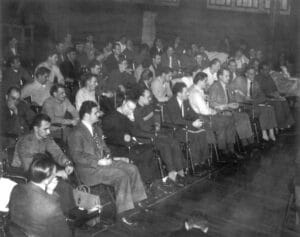
On January 18, 1946, in the recreation hall of the Red Cross at Birmingham General Hospital in Van Nuys, California, about 70 World War II veterans with spinal cord injuries gathered for a meeting that would change the course of disability civil rights in America.
They returned from the battlefields of Europe and the Pacific to a grateful nation, but also to a world unprepared for their needs. Unable to access their homes, navigate public transportation, or fully participate in society, they faced barriers to independence at every turn. Rather than accept their circumstances, they made a decision not just to live, but as the organization would later describe it, to live with dignity as contributors to society.
Paralyzed Veterans of America was born from that meeting.
The Power of PVA
The Power of Paralyzed Veterans of America is infinite. No other nonprofit organization matches PVA’s depth of expertise or influence. It surrounds members and their families, as well as the disability community at large, following and supporting them in every aspect of their lives. And it isn’t simply influence—it’s impact.
The Power of PVA can be felt everywhere. It can be seen in every corner of the nation and experienced throughout every community.
Since 1946, PVA has been member-led and member-run. That lived experience is the compass that guides everything we do. It’s why PVA shows up at the bedside and on Capitol Hill, why we fight to fill VA staffing shortages and rewrite unjust policies, why we advocate for accessible homes and meaningful careers, and why we won’t stop until every person living with a disability has access to equitable treatment.
The Early Years: Building a Movement
 The founding members of PVA understood that their challenges were not individual problems but systemic failures requiring collective action. Within months of the organization’s establishment, they launched Paraplegia News magazine on July 27, 1946, creating a vital communications lifeline for isolated veterans across the country. The publication helped the organization connect wounded service members nationwide and build the foundation for membership growth.
The organization quickly evolved from a local support group to a national advocacy powerhouse. When Birmingham General Hospital was turned over to the Veterans Administration and renamed Birmingham Veterans Administration Hospital on March 31, 1946, PVA members continued their mission. A year later, the eight original chapters were formed, and in 1971, PVA received its congressional charter, cementing its role as a unique voice for paralyzed veterans.
One of PVA’s earliest symbolic triumphs came in the form of “Speedy,” the organization’s original logo created in 1946. Wilbur Hyde, the chapter’s secretary, asked his friend Wilder A. Johnson, a patient at the hospital who was a cartoonist, to design a logo for the newly formed organization. Johnson found his inspiration in U.S. Army veteran Dick Sloviaczek, a Long Beach patient known for zipping through the halls in his wheelchair, a trail of smoke from his pipe following him. Johnson later explained the philosophy behind the character.
“There is a good deal of worthwhile philosophy to be observed in the little man if one will take the time to study him carefully,” he said. “First, he is happy. He is not sitting around and crying the blues about being in a wheelchair. Second, he’s got places to go and he’s in a hurry.”
That spirit of determination and optimism would define PVA for eight decades.
Legislative Victories Change the Nation
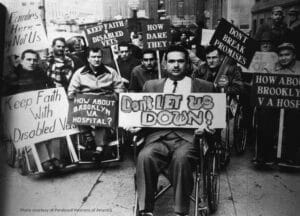 By the early 1950s, PVA's advocacy was already influencing policy. In 1951, the organization successfully pushed for amendments to the VA's automobile grant program, which for the first time extended eligibility to paralyzed veterans, enabling adaptive vehicle purchases that enhanced mobility and independence.
But PVA's ambitions extended far beyond individual accommodations. In the mid-1960s, PVA established offices in Washington, D.C., recognizing the total absence of requirements for accessibility for just about everything — a pivotal moment in the organization's evolution.
That recognition led to a series of legislative victories that would reshape American society. The organization helped secure passage of the Architectural Barriers Act of 1968, which required accessibility at all federal government facilities. Five years later, PVA's advocacy contributed to the 1973 Rehabilitation Act, which mandated accessibility in federally funded programs. The Rehabilitation Act became the basis for PVA's successful effort to ensure all stations in Washington, D.C.'s Metro system were accessible—a groundbreaking achievement in public transportation.
Taking to the Skies
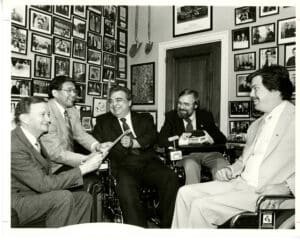
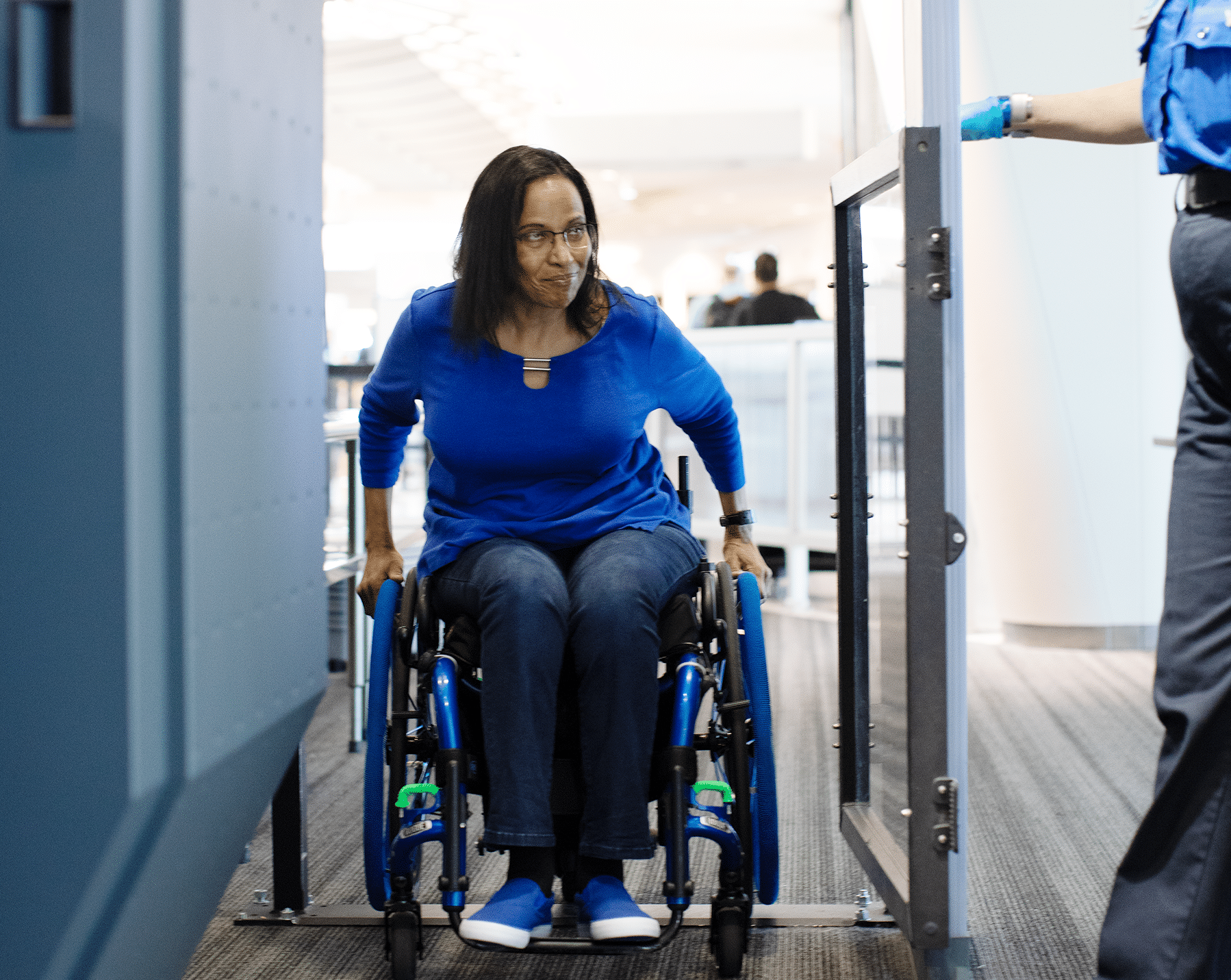
In the mid-1980s, PVA faced a setback when it lost a lawsuit against the Civil Aeronautics Board. The Supreme Court ruled in U.S. Department of Transportation v. PVA that private commercial air carriers were not liable under Section 504 of the Rehabilitation Act because they were not direct recipients of federal funding to airports. Rather than accept defeat, PVA turned the loss into opportunity.
The organization began advocating for what would become the 1986 Air Carrier Access Act, which guaranteed that people with disabilities would receive consistent and nondiscriminatory treatment when traveling by air. The legislation had a ripple effect that extended far beyond aviation.
“While we were pushing for the passage of the ACAA, other disability groups began to join with us to voice their problems,” Vollmer said. “That law was only for air travel, but what it did was coalesce a whole raft of disability groups to recognize that there was more work to be done and we all needed to work together.”
That coalition would prove instrumental in PVA’s crowning legislative achievement.
The Americans with Disabilities Act Transforms a Nation
On July 26, 1990, President George H.W. Bush signed the Americans with Disabilities Act into law, fulfilling a goal PVA had fought for since its inception. The legislation, which PVA helped pass, is widely regarded as the nation’s most comprehensive law affecting people with disabilities ever enacted.
The ADA extended civil rights protections to an estimated 54 million Americans with disabilities, making it illegal to discriminate on the basis of disability in employment, public services, public accommodations, and transportation. PVA was particularly instrumental in crafting portions of the ADA that addressed the needs of individuals with mobility impairments, especially those who use wheelchairs or other mobility devices.
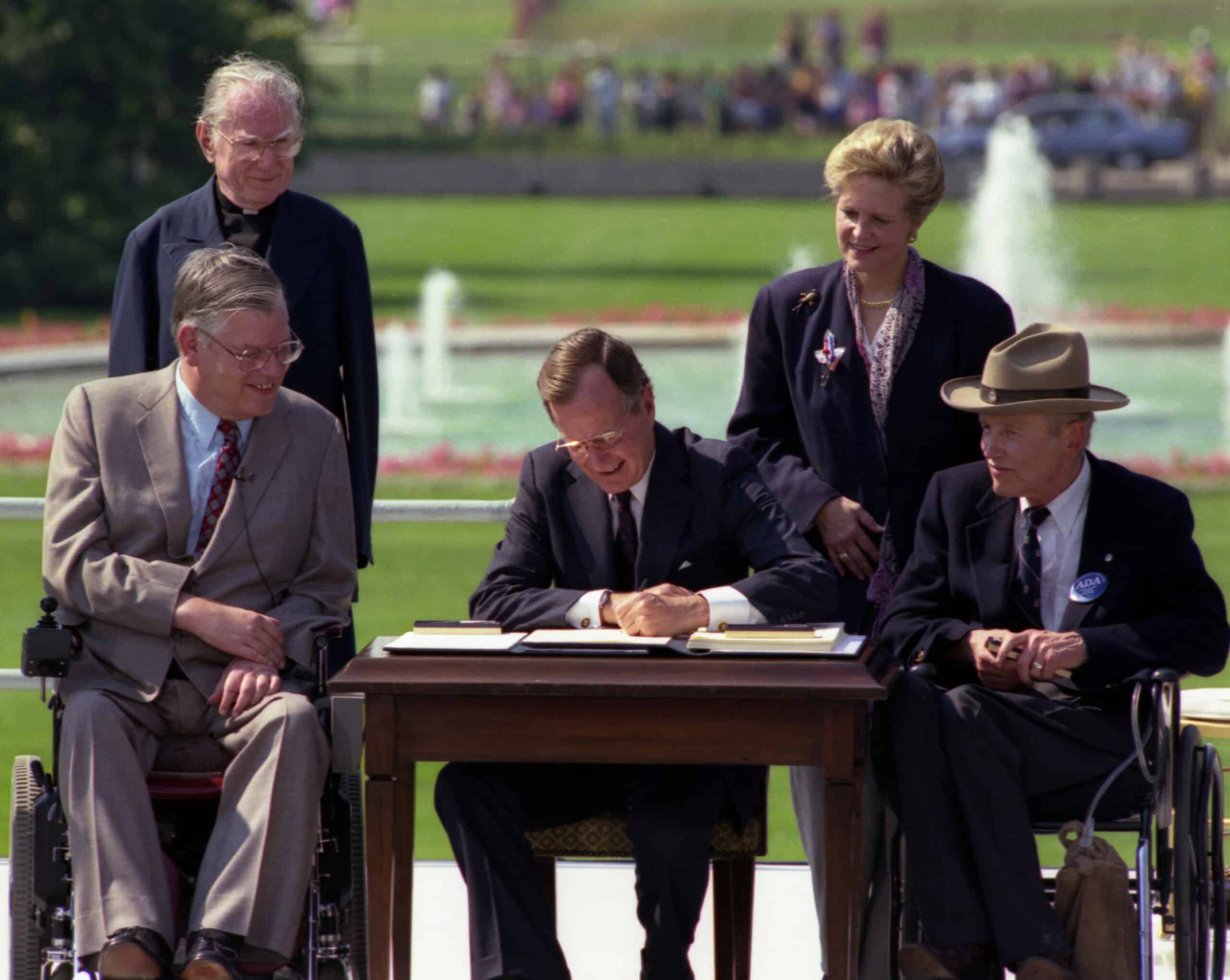
“More than three decades after the Americans with Disabilities Act was signed into law, its legacy continues to shape the lives of millions of Americans with disabilities,” said PVA CEO Carl Blake. “PVA was proud to help make this legislation a reality, and we remain just as committed today to ensuring its promises are fully kept in every workplace, every community, and every corner of this country.”
Comprehensive Services for Veterans
While PVA’s legislative advocacy captured headlines, the organization never lost sight of its core mission to serve individual veterans. PVA developed a comprehensive support system that meets veterans at their hospital bedside at the moment of their injury or diagnosis and sticks by their side throughout their entire life.
The organization’s National Service Officers are experts in veterans’ law and VA regulations, assisting with claims for service-connected compensation, non-service-connected pensions, home health care, specially adapted housing, automobile grants, and adaptive equipment. PVA’s Medical Services team conducts annual site visits to VA Spinal Cord Injury and Disorders (SCI/D) Centers across the country, inspecting facilities, conferring with staff, and speaking directly to patients about their needs.
PVA’s Legal Services team has maintained one of the highest rates of success among all veterans service organizations in representing veterans before the VA’s Board of Veterans Appeals. Our team works directly with veterans and their families to gather evidence and present written and oral arguments before the board when claims have been denied by the VA.
Beyond benefits appeals, PVA also provides free legal representation to veterans and active-duty service members at hearings before military Physical Evaluation Boards, Boards of Correction for Military Records, and Discharge Review Boards.
In addition to individual cases, the office also works on broader legal and policy advocacy. It monitors and responds to VA regulatory changes, pushes for enforcement of disability rights laws, and fights to protect the civil rights and independence of veterans and disabled Americans.
Through its Research and Education Foundations, PVA has funded scientists conducting research to improve the lives of veterans and others living with spinal cord injury and disorders, as well as diseases like multiple sclerosis (MS) and amyotrophic lateral sclerosis (ALS). The organization has awarded more than $63 million in research and education grants, contributing to advances that have improved the lives and life expectancy of those with spinal cord injuries or diseases.
PVA’s Veterans Career Program provides free employment support and vocational counseling assistance to all veterans, transitioning service members, spouses, and caregivers. By empowering veterans to reenter the workforce with confidence and the right support, the program helps them rebuild financial stability, a sense of purpose, and a strong connection to their communities.
PVA is also the only veterans service organization with on-staff architects who provide design assistance to veterans, specializing in accessible design with extensive experience across all aspects of architecture. Their work extends well beyond individual veterans’ homes. PVA’s architecture team helps develop building codes and standards for the entire nation.
PVA’s Sports and Recreation program offers more than 60 free, year-round adaptive sporting and recreational opportunities, benefiting thousands of veterans and athletes with disabilities nationwide. The range of activities is deliberately broad. From handcycling, bass fishing, bowling, and billiards, to shooting sports, basketball, and an annual quad rugby tournament, PVA provides a wide variety of programming designed to enhance fitness and quality of life for veterans with disabilities.
The Work Continues
As PVA marks its 80th anniversary, the organization continues to face new challenges with the same determination that inspired its founding. Despite the ADA’s passage more than 35 years ago, barriers to accessibility persist. Carl Blake, CEO of PVA, emphasized this ongoing reality.
“The ADA was a monumental step forward for our country and for our nation’s paralyzed veterans,” he said. “It affirmed the fundamental rights of people with disabilities and created a framework for a more welcoming society. As we recognize this milestone, we must all re-commit ourselves to the unfinished work of full accessibility in our communities.”
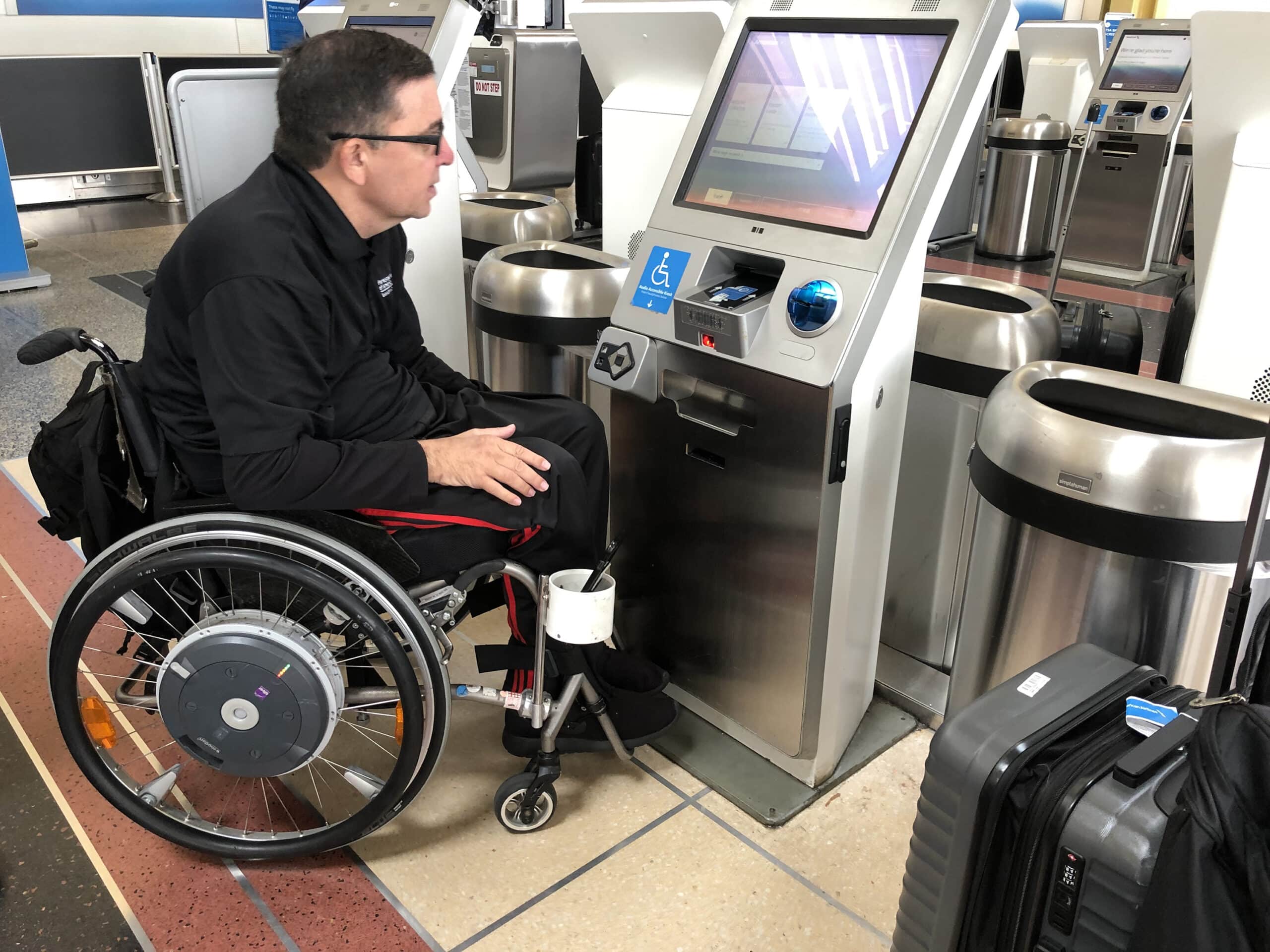
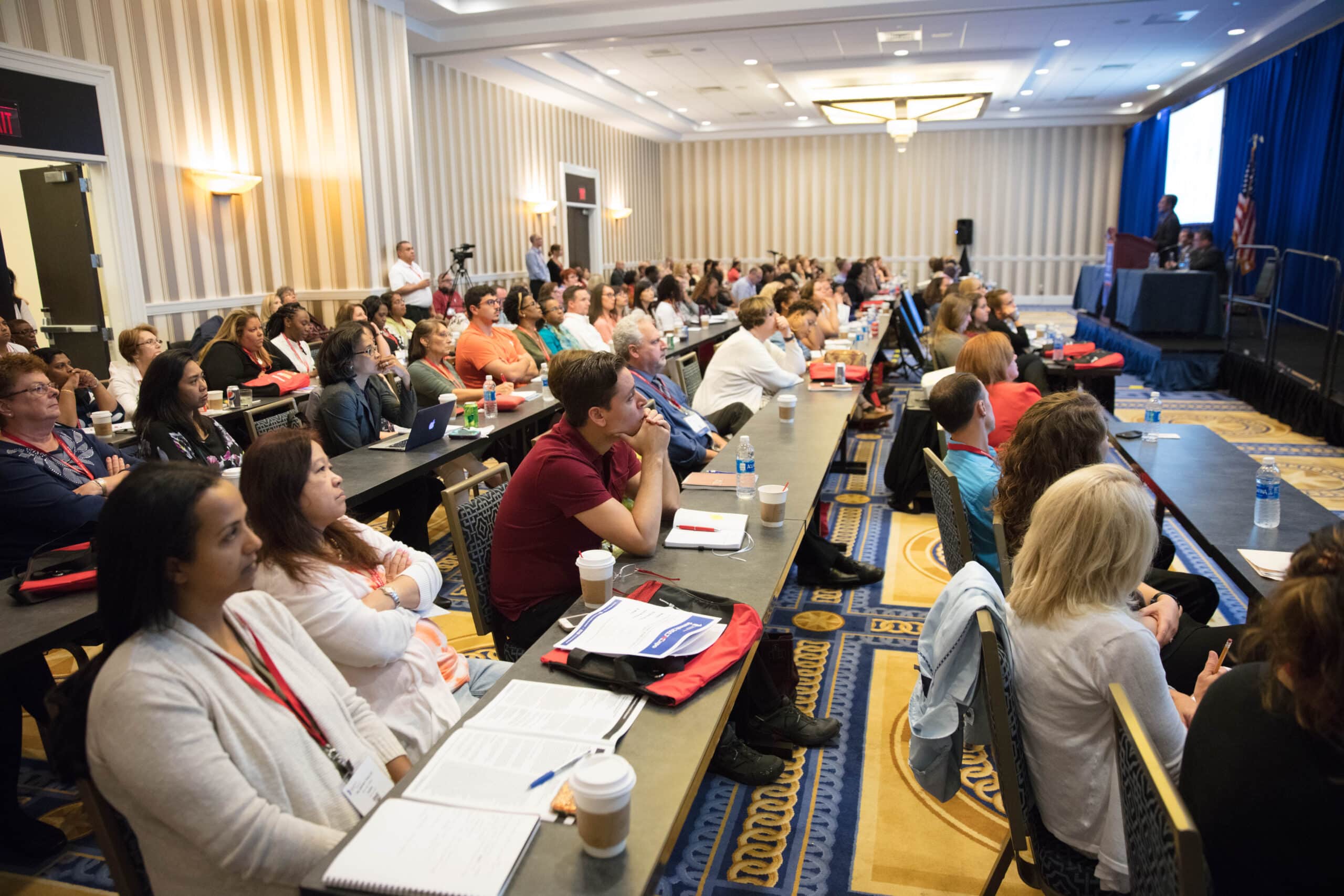
Today, with 73 offices and 33 chapters serving veterans, their families, and caregivers in all 50 states, the District of Columbia, and Puerto Rico, PVA continues its work on multiple fronts. The organization hosted its first Access to the Skies Summit in 2025, bringing together nationally recognized experts in aviation accessibility. Robert Thomas, PVA’s national president and chairman of the board, described the event’s significance.
“PVA’s Access to the Skies Summit is more than a conversation – it’s a call to action,” said Thomas, a U.S. Army veteran. “We’re not only talking about widespread challenges, but also solutions that can transform air travel.”
From a small gathering of 70 wounded warriors in a hospital recreation hall to a congressionally chartered organization that has transformed American society, PVA has remained true to the spirit embodied by “Speedy”— moving forward with determination, purpose, and an unwavering commitment to dignity and independence. As the organization enters its ninth decade, it continues to empower brave veterans to regain what they fought for—their freedom and independence.
PVA is one of the most consequential organizations in history for veterans and disability civil rights, helping write the laws, push for enforcement, and fight discrimination in courts and Congress for nearly eight decades. The work continues, the mission remains, and 80 years later, PVA is still leading the charge.