

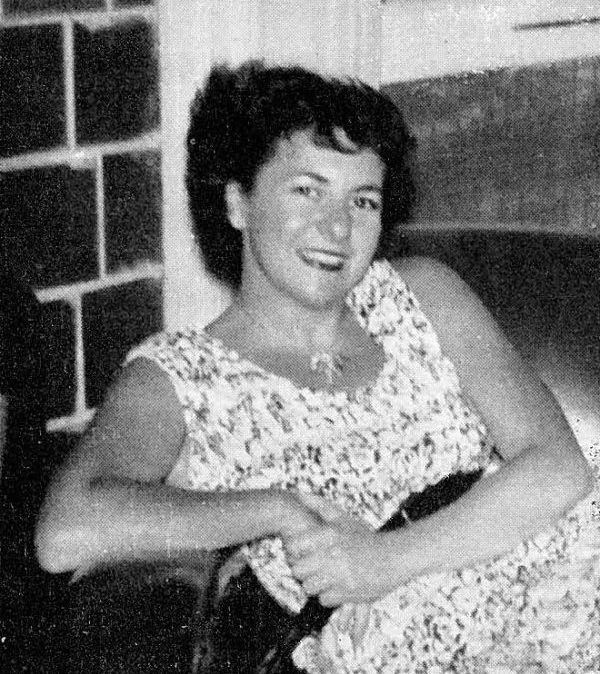
Anita Bloom Ornoff was Paralyzed Veterans of America's first female veteran member, a status she spent nearly a decade fighting to earn. Paralyzed by a spinal cord infection during Army training in 1943, she was discharged just months before a legal change would have made her eligible for full veteran status and GI benefits.
Rather than accept that outcome, she rebuilt her independence, attended college, and waged a personal campaign that reached the White House twice and ultimately changed federal law. She used a wheelchair for more than 65 years, lived until age 87, and remains a model of resilience for the disability and veteran communities alike.
1. A department store career gave way to her service calling.
Anita Bloom held a supervisory sales job during the Great Depression, no small feat for a young woman of just 19 years at the time. Following Pearl Harbor — with family in Germany on her mind — she enlisted in the Women's Army Auxiliary Corps (WAAC) without telling her parents in 1943.
2. She was on track for Officer Candidate School, but an infected thumb changed everything.
Weeks into her training in Texas, a mishandled thumb infection worsened. She pushed through class for three more weeks, determined to graduate, before collapsing the day before commencement. The infection had reached her spinal cord, leaving her paralyzed.
3. She challenged the VA on her own terms, winning small but fierce battles.
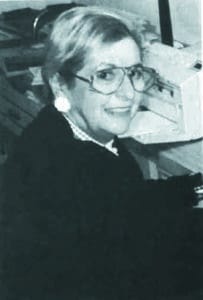
As the only woman on the spinal cord injury ward at the Bronx VA in New York, Anita insisted on living catheter-free and pushed to visit the men's ward, arguing both genders had things to learn from each other. The connections she built there later proved invaluable.
4. She was first — again, and again.
Anita was among the first paralyzed women veterans to walk with braces and crutches, the first woman at her VA hospital to test a new collapsible wheelchair, and the first woman veteran to learn hand-controlled driving.
5. A technicality of just three months cost her a decade of benefits.
Anita was discharged in May 1943, three months before the WAAC became the Women's Army Corps (WAC) and gained full military status. That timing meant she didn't qualify for GI benefits, despite an identical injury and identical service.
6. She earned college degrees against the odds.
Denied the GI Bill, Anita scraped together the funds with a scholarship and a part-time switchboard job to attend New York University, which wasn't even wheelchair accessible. She later studied speech therapy at Hunter College and earned a psychology degree from Loyola College in Baltimore.
7. Her decade-long campaign reached President Eisenhower twice.
Anita wrote to Eleanor Roosevelt, President Harry Truman, and President Dwight Eisenhower (before and after he became President), as well as testified before a House Judiciary subcommittee in 1949. Five years later, PVA President Robert Moss alerted her to a major veterans' pension bill being lobbied in Congress, and she pushed to have her own legislation attached to it as a rider — designated HR 8041. On August 22, 1954, more than 11 years after her injury, Eisenhower signed HR 8041 into law, finally making Bloom a recognized service-connected veteran.
8. There is a committee with her name on it.
The Anita Bloom Women Veterans Committee was established in 2016 by PVA National Vice President Anne Robinson, who chairs it, along with PVA Senior Vice President Tammy Jones and then-PVA National President David Zurfluh.
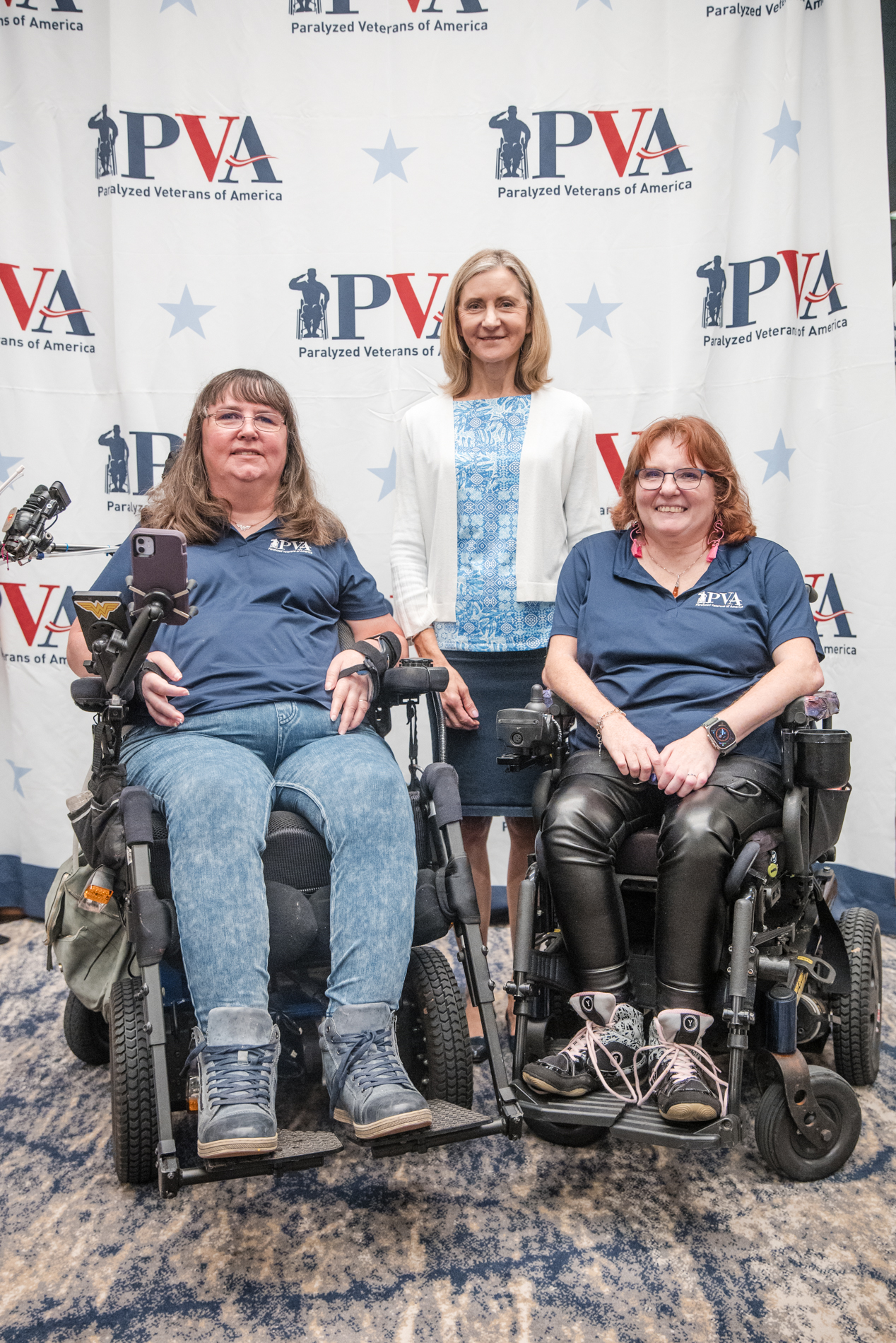
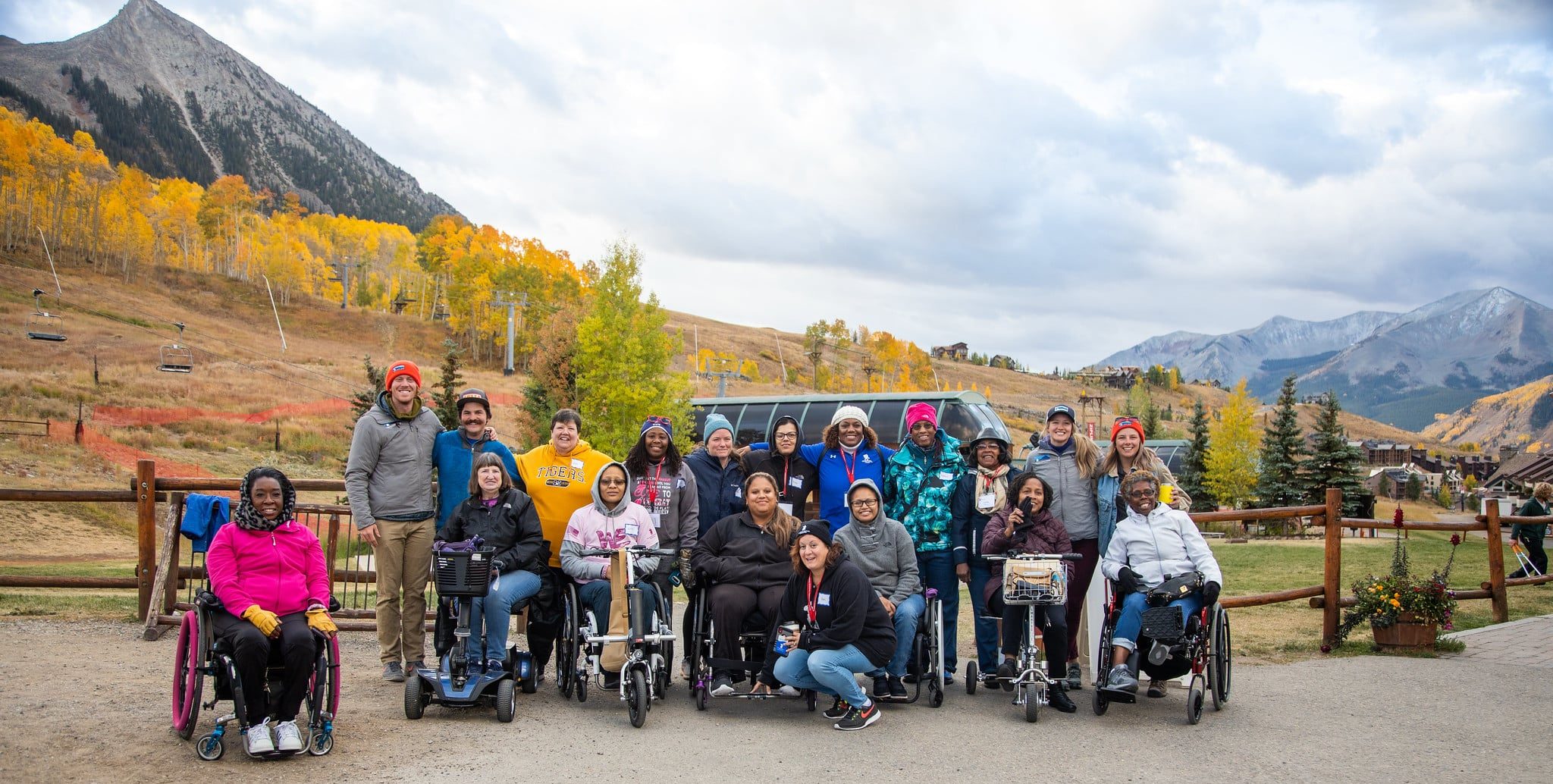
As of 2026, it's in its 10th year. It's a member-run committee that provides resources, knowledge, and services that directly benefit PVA's women veterans, continuing Bloom’s legacy of fighting for women veterans' healthcare needs.
9. She is the inspiration behind PVA’s Women Veterans Empowerment Retreat and its newest program, the Women Veterans Leadership Alliance.
Anita fought hard to ensure that women veterans had a voice. Since 2018, PVA has continued her legacy through the Women Veterans Empowerment Retreat, an annual event that has empowered more than 350 women through immersive leadership development, advocacy training, and holistic wellness programming. To expand on the retreat’s impact, PVA recently launched its Women Veterans Leadership Alliance, a brand-new, year-round initiative that equips women veterans with the tools, skills, resources, and community to become leaders and fierce advocates for women veterans and people living with disabilities in their own communities. This creates a ripple effect that distills PVA's — and Anita Bloom’s — impact into every corner of the country, from the smallest rural towns to the biggest cities.
Click here to learn more about how PVA supports women veterans.