About the Grants
Paralyzed Veterans of America's Research Foundation Board of Directors met on November 7, 2025, to decide which candidates would be the best deserving of the Foundation's annual awards.
The Foundation awarded six grants to recipients whose work excelled in the areas of spinal cord injury/disease, including respiratory recovery after SCI, oral health, neurological health, and safe wheelchair transfers, as well as other topic areas.
The grants are awarded for a one- two- or three-year periods. The grant cycle begins on January 1, 2026.
This year, the Foundation awarded a total of $1,098,570 in grants.
The grants for FY2026 are funded in three categories: basic science, clinical applications, and fellowships.
2026 Grant Recipients
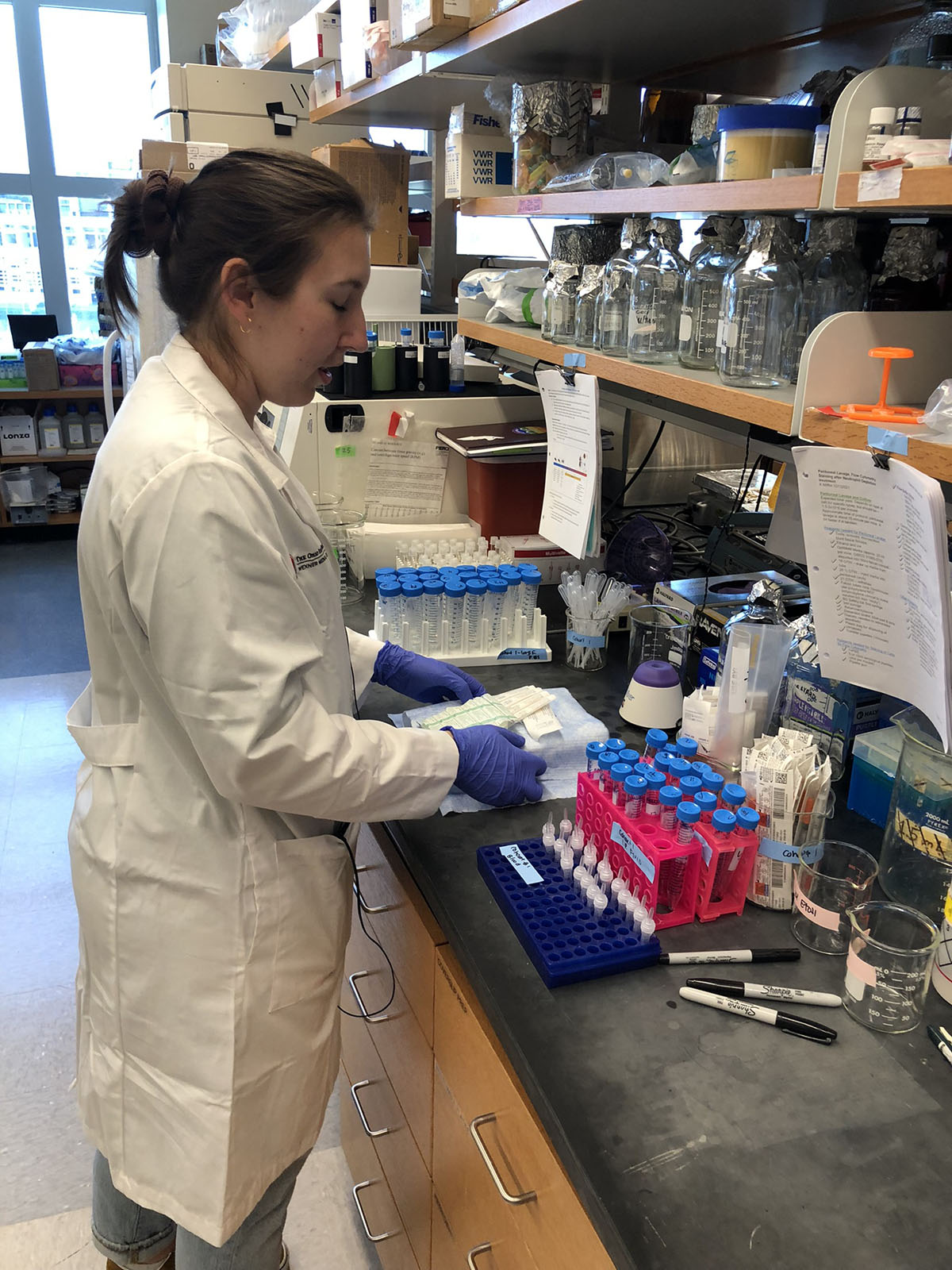
Dr. Katherine Mifflin, Ohio State University,
“Targeting Oral Health after SCI/D Reduces Risk of Pulmonary Infection”
$200,000
Project Summary
Spinal cord injuries (SCI) affect the whole body. While damage to the spinal cord is the primary injury, secondary changes in organs like the lung can be deadly. Indeed, lung infections are the leading cause of death after SCI. Our previous work found that bacteria in the mouth move into the lungs after injury, disrupting the normal balance of lung bacteria, to promote lung infection. This project will explore whether altered oral bacteria after SCI are due to changes in oral health, specifically changes in saliva proteins and immune cells, as saliva is a key regulator of oral health. We will also determine if re-balancing the disrupted oral bacteria after SCI with antibacterial or antiseptic mouthwash treatment reduces lung infections. By investigating the connections between oral and lung health our work will provide new information on how lung infections develop after injury and how infections can best be treated.
Dr. Yuying Chen, University of Alabama at Birmingham
“From Injury to Outcomes: A National Study of Traumatic Spinal Cord Injury Trends Using Harmonized SCIMS and VHA Data”
$199,029
Project Summary
This project brings together the two biggest U.S. databases on traumatic spinal cord injury (tSCI) — one from civilian hospitals (Spinal Cord Injury Model Systems) and one from the Veterans Health Administration Spinal Cord Injuries and Disorders Registry. Although each database has helped improve understanding of tSCI in their groups, they have never been combined before. By linking and standardizing information like age, sex, race, injury details, and health conditions from almost 30 years of data, the team will study differences and similarities between Veterans and non-Veterans with tSCI. The goal is to uncover important patterns, risks, and gaps in care that can help doctors and researchers improve treatment and support. Results will be shared through scientific papers, easy-to-use tools, and open resources to benefit patients and healthcare providers alike

Dr. Brooks Wingo, University of Alabama at Birmingham
“Understanding the Impact of Meal Timing on Neurological Health in Adults with Multiple Sclerosis”
$199,991
Project Summary
An increasing number of studies indicate that diet may play an important role in multiple sclerosis (MS) symptoms and progression. While most research in MS has focused on specific diets or type of foods, few have explored meal timing in MS. Our previous research suggests that meal timing may play a role in cognitive and physical function in people with MS, but we don’t know how. This study will test how eating at different times of day affects markers of brain health, inflammation, and genes linked to body clocks and cell repair in a group of 22 adults with MS. We will also explore brain imaging to see if meal timing patterns affect neuroinflammation. Findings could lead to larger studies and help determine if meal timing is a simple, low-cost way to support MS care.

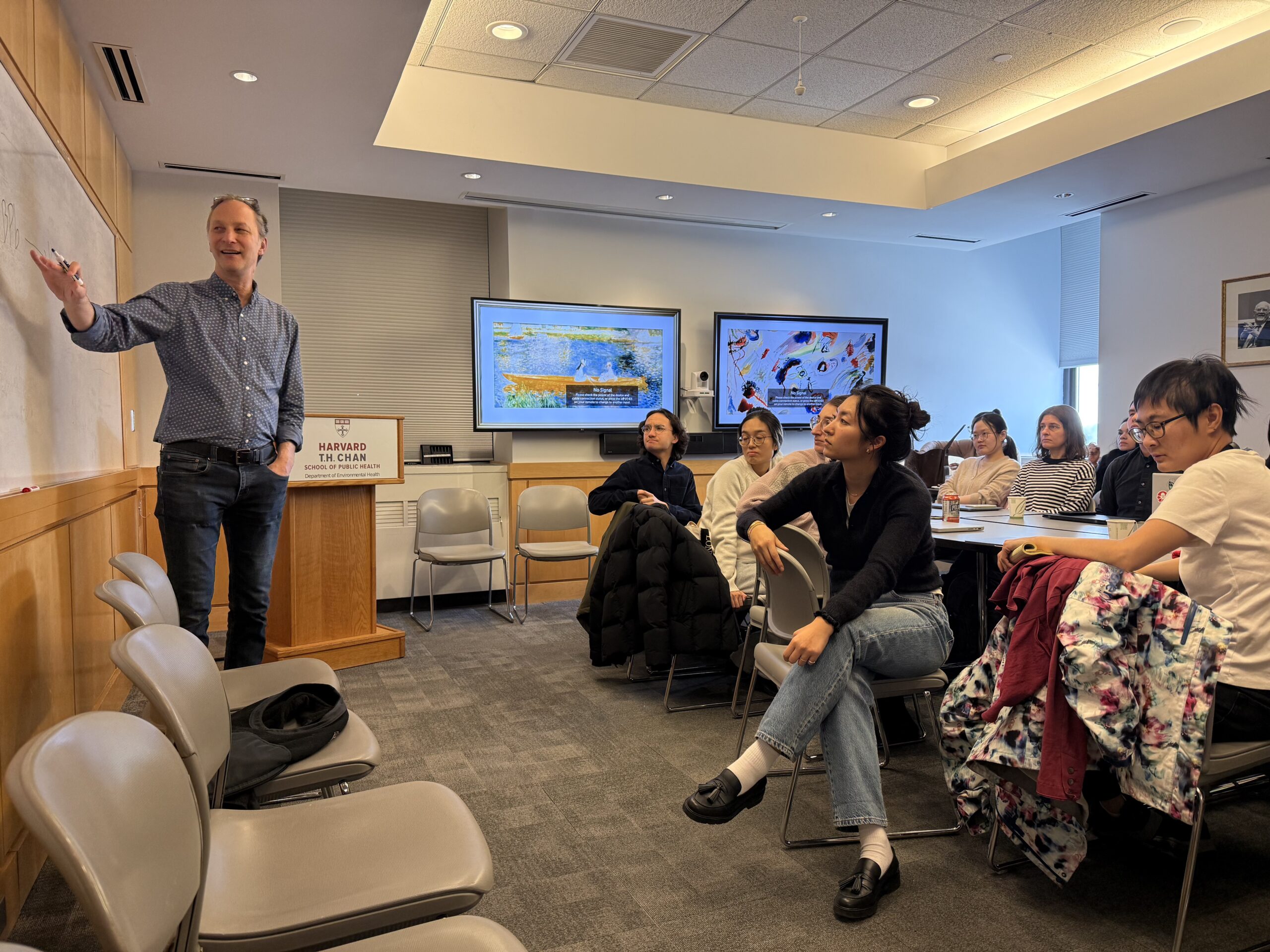
Dr. Marc Weisskopf, Harvard University
“Military risk factors for amyotrophic lateral sclerosis (ALS)”
$200,000
Project Summary
Our hypothesis is that the increased risk of amyotrophic lateral sclerosis (ALS) among military veterans is driven by specific exposures experienced during service. We will study whether certain military occupations or serving in combat put veterans at a higher risk of ALS. We will use the new, extremely large DaVINCI database that has linked both Department of Defense (DOD) and Veterans Administration (VA) data collected well before the onset of ALS. We will also link this with VADIR data that replicates the DoD Defense Manpower Data Center (DMDC) data, which provides military service information for veterans and service members. This will allow us to ask our questions in a cohort of over 9 million US military veterans among whom we have already identified over 14,000 ALS cases. We will also explore whether statin use protects against any adverse effects of military exposures, potentially providing prevention and therapeutic opportunities.
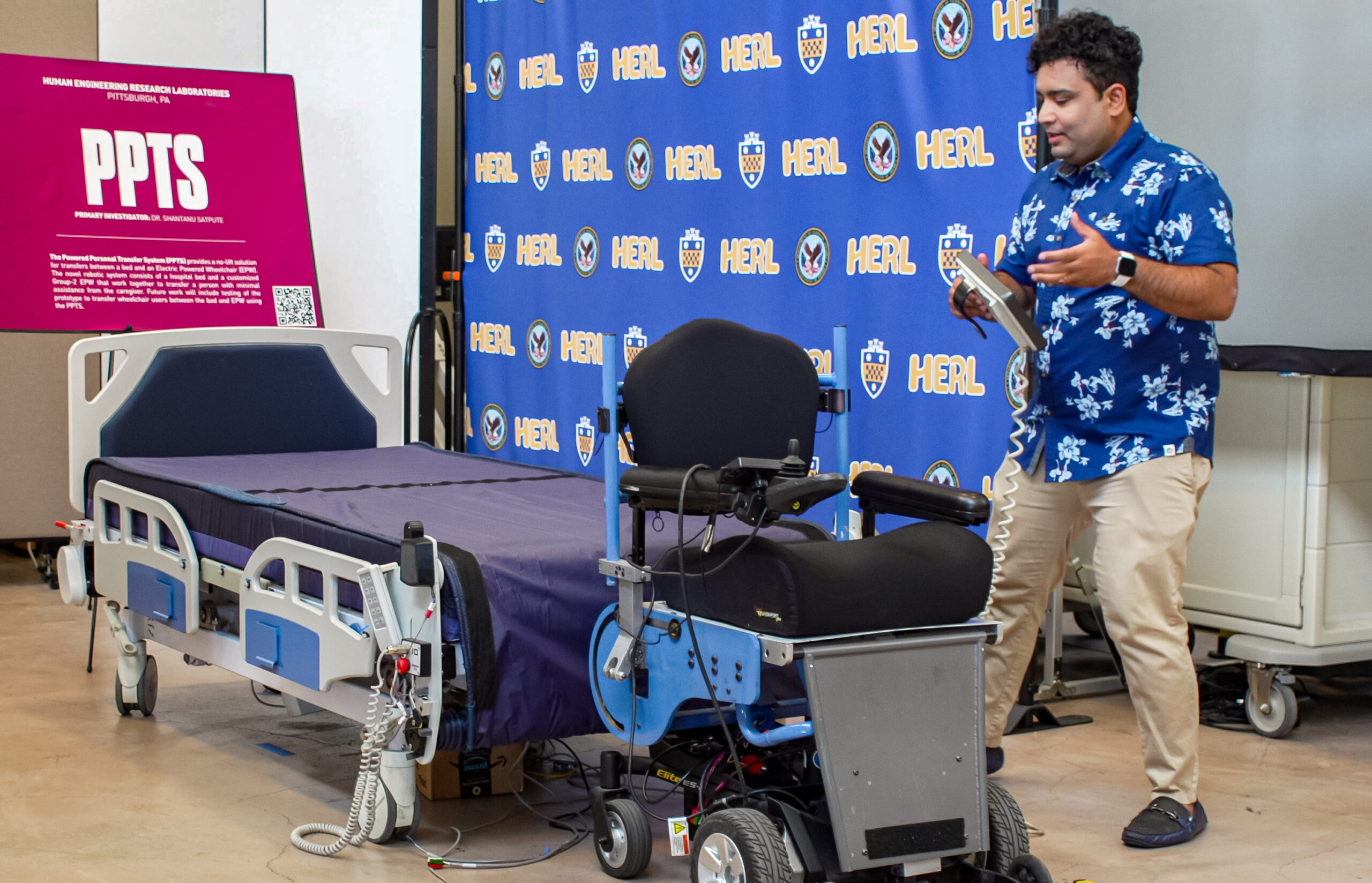
Dr. Shantanu Satpute, University of Pittsburgh
“Reimagining Transfers: A Robotic Assistant for Safe and Independent Wheelchair Transfers"
$149,550
Project Summary
For many Veterans with SCI/D, MS, or ALS, moving between a bed and a wheelchair is one of the hardest parts of the day. These transfers often require physical help from aging spouses or family members, putting both people at risk for back injuries and falls. When safe transfers become too difficult, Veterans may lose the ability to remain at home—sometimes entering institutional care simply because safer options are not available. This project introduces the Robotic Integrated Transfer Assistant (RITA), a new system designed to make transfers safer and more independent. RITA can help align the wheelchair and bed, guide movement, and provide safety monitoring while being controlled through simple tools like a phone app or voice commands. By testing RITA with Veterans in realistic home environments, this research hopes to reduce caregiver strain and support independence.
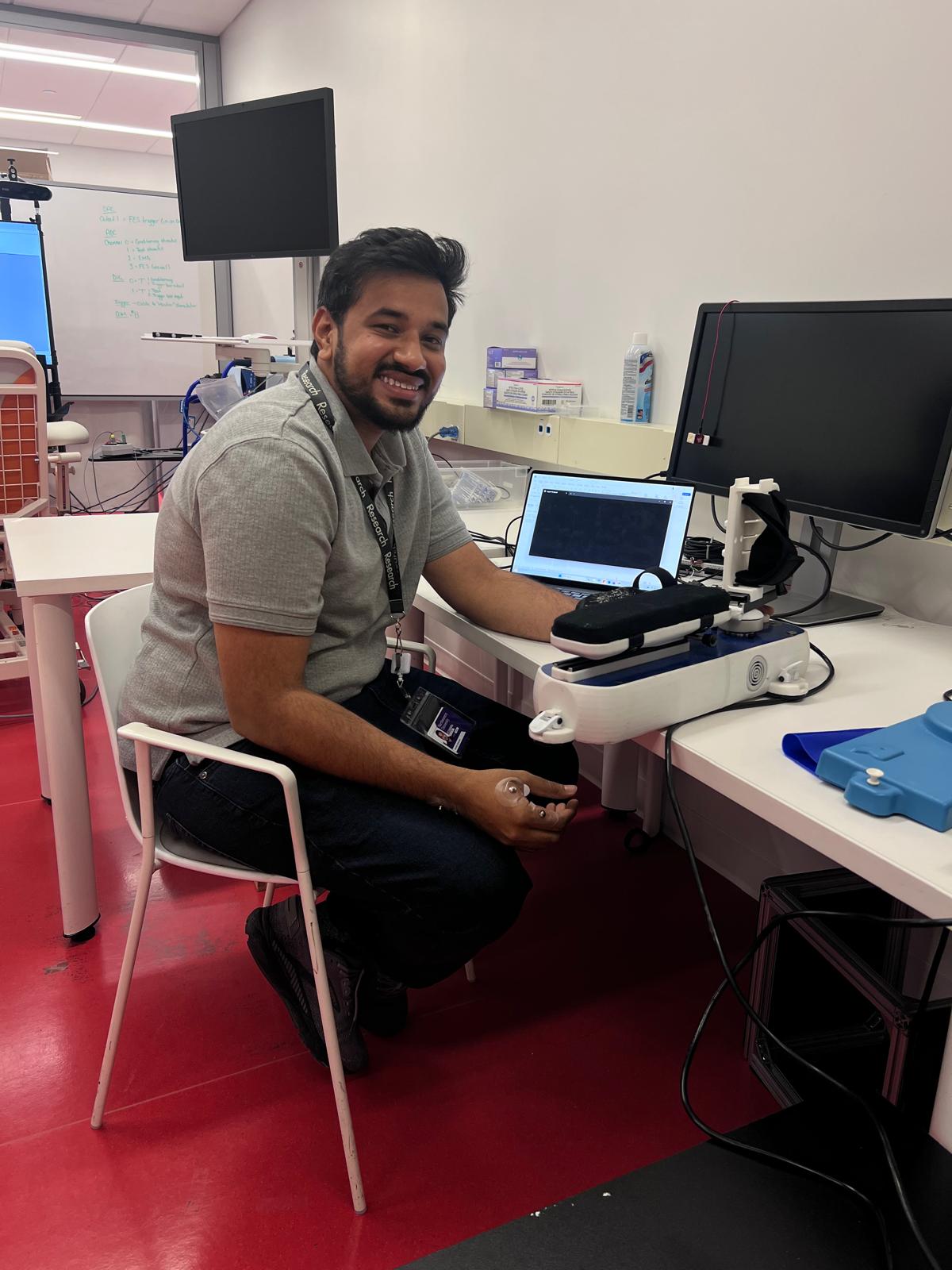
Dr. Aravind Nehrujee, Shirley Ryan AbilityLab
“Synergistic Effects of Acute Intermittent Hypoxia and Myoelectric Interface Training on Reducing Abnormal Lower-Limb Co-Activation in Multiple Sclerosis”
$150,000
Project Summary
People with multiple sclerosis (MS) often develop walking limitations due to weakness, poor muscle coordination, and fatigue. Current medications can slow disease progression, but they do not reliably restore walking once these problems are established. In this project, we will test a combined intervention that pairs neuromodulatory “priming” with targeted motor retraining. Participants will first receive acute intermittent hypoxia (AIH), which involves brief, supervised bouts of breathing lowoxygen air alternating with room air and has been shown to strengthen neural circuits and improve movement ability. Immediately after AIH, participants will complete Myoelectric Interface Neurorehabilitation Training (MINT), a wearable electromyography (EMG)-based, game-based program that trains more selective muscle activation. The hypothesis is that AIH-primed MINT will improve strength and movement coordination, resulting in improved walking performance.