About the Education Foundation Grants
The Foundation awarded nine grants for a total of $529,232. The selected grants were in the following categories: Conferences & Symposia and Consumer, Caregiver & Community Education.
Conferences & Symposia
Binhai Zheng
UC San Diego
San Diego, California
“The 2027 San Diego Spinal Cord Injury Symposium (SDSCIS)”
$20,000
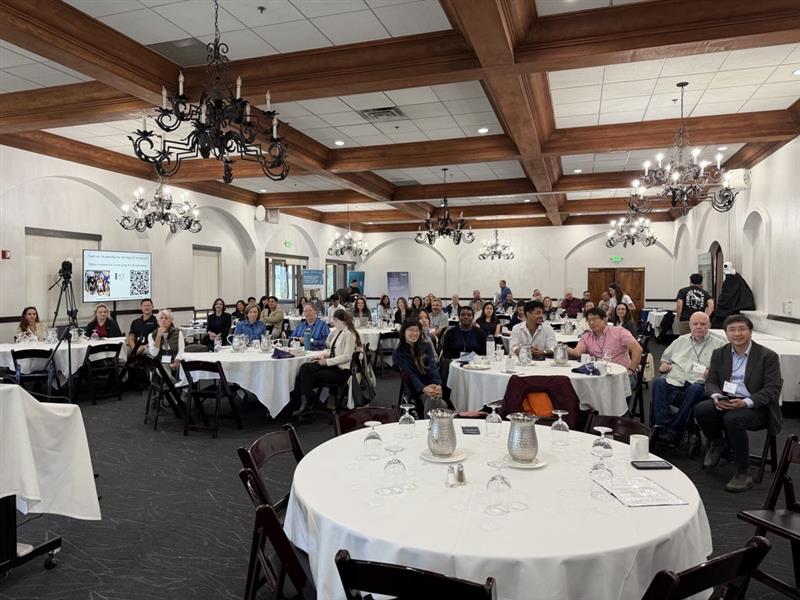
The 2027 San Diego Spinal Cord Injury Symposium (SDSCIS) is a free, one-day gathering of leading researchers, clinicians, experts in the field of spinal cord injury and associated conditions (SCI/D), and individuals with lived experience, designed to share the latest advances in research, clinical care, rehabilitation, and community reintegration. The SDSCIS covers a broad range of topics related to SCI/D within an interactive format that facilitates networking, collaboration, and education for all of these stakeholders. The SCSCIS meets a distinct need for a regional SCI/D meeting in the Western United States and directly fulfills the PVA Education Foundation mission.
Mark Manago
University of Colorado Anschutz Medical Campus
Aurora, Colorado
“16th International Symposium on Gait and Balance in Multiple Sclerosis: The Impact of Aging On Mobility”
$19,999
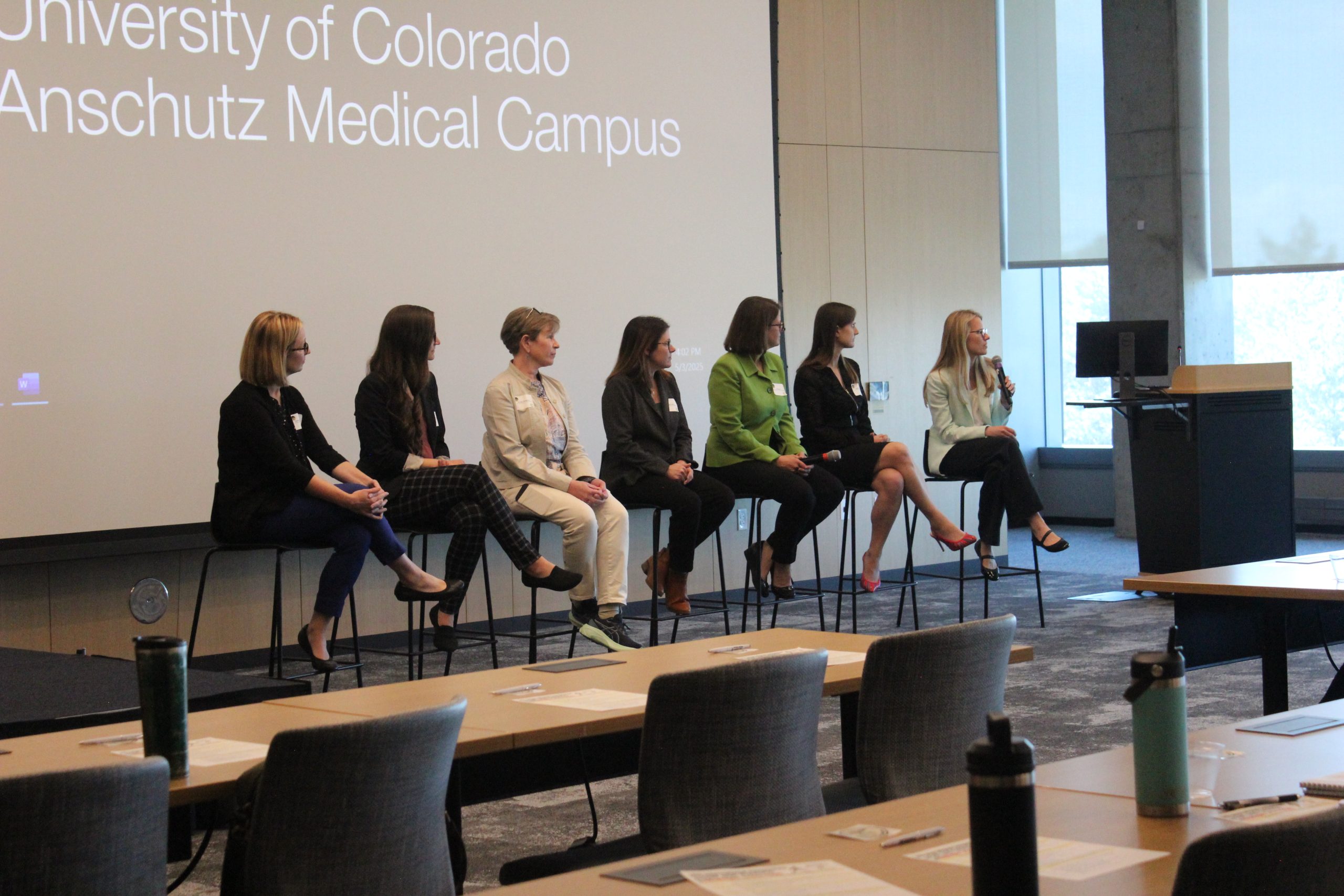
The 16th Annual International Symposium on Gait and Balance in Multiple Sclerosis (MS) will be held on April 15th and 17th, 2027 in Aurora, Colorado. The 2027 meeting will focus on the impact of aging on gait, balance, and mobility in people with MS. For 16 years this symposium has been an important way to share information on topics related to gait and balance for people with MS, the health care professionals who serve them, and the research community who advance discoveries in this area. On April 15th, 2027, there will be a patient-focused, virtual event that will be held in partnership with the National MS Society. On Saturday April 17th, 2027, there will be full day of in-person presentations, and an afternoon poster session targeted to healthcare professionals who serve people with MS, including physical and occupational therapists, physicians, researchers, advocates, and trainees.
Consumer, Caregiver & Community Education
Jeanne Zanca
Kessler Foundation
West Orange, New Jersey
“Multimedia Education to Facilitate Personal Assistant Recruiting and Hiring”
$75,000
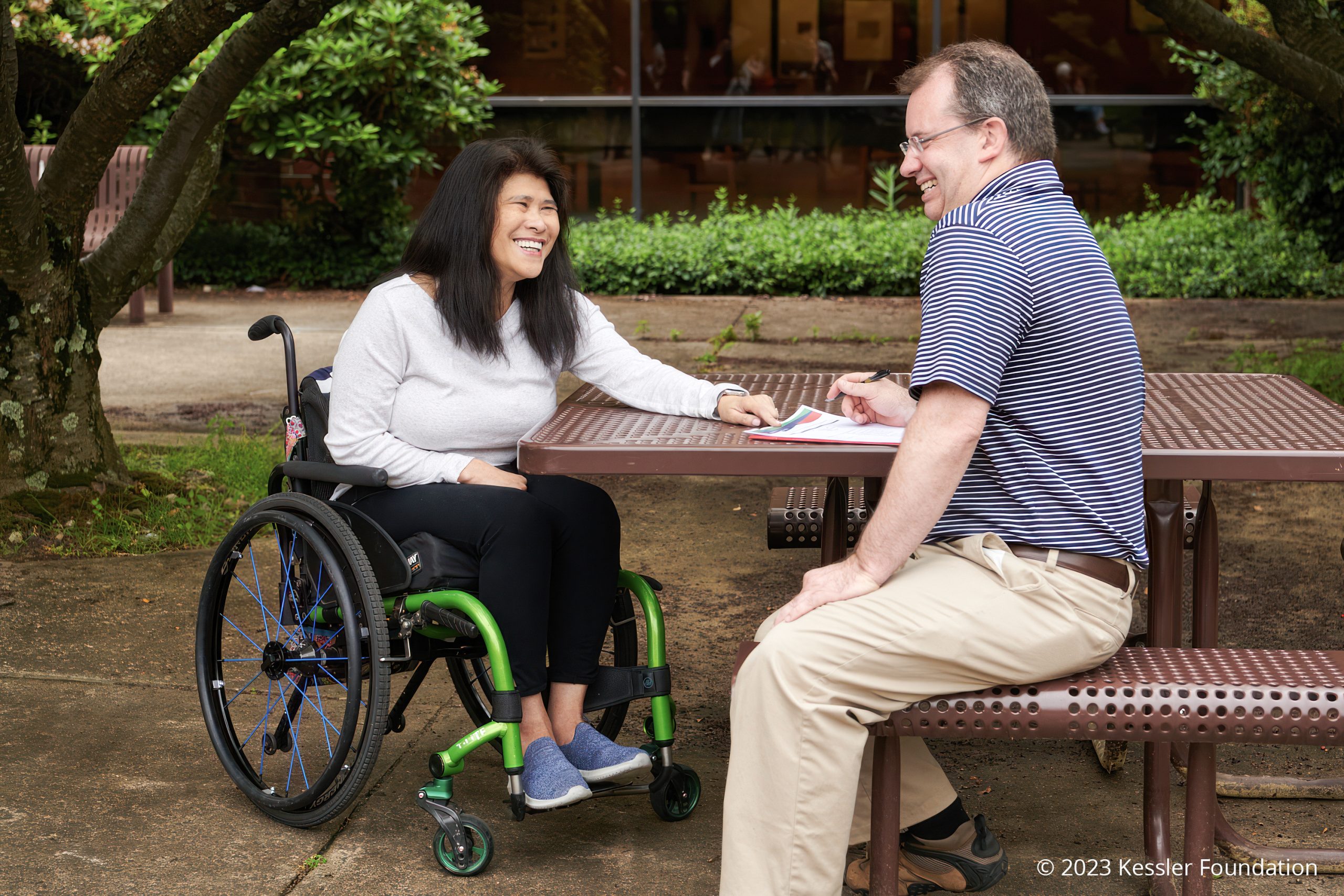
This project will create an updated and engaging educational resource about how to recruit and hire personal assistants for people with spinal cord injury or disorders (SCI/D). Many people with SCI/D depend on personal assistants for everyday tasks like bathing, dressing, managing bowel and bladder care, and other important daily tasks. Because there is a growing shortage of care workers, people with SCI/D and their families need to find new and creative ways to identify and hire personal assistants. While many organizations have created useful guidance, most existing materials are text‑based, outdated, and do not reflect how people now use social media and online platforms. This project will address these gaps by creating engaging videos and multimedia content that reflect current technology and real‑world situations. It will also bring key information and trusted resources together in one easy‑to‑find place, making it easier for people with SCI/D and their families to get the help they need to live healthy, fulfilling lives in the community.
Jaewon Kang
Colorado State University
Fort Collins, Colorado
“Promoting Safe and Accessible Homes Through Interdisciplinary Education for People with SCI/D and MS”
$74,978
This project aims to improve home safety and independence for Veterans and individuals living with spinal cord injury or disease (SCI/D) or multiple sclerosis (MS). Many people in these groups experience falls or injuries at home but may avoid making home modifications because they lack information, worry about stigma, or fear that changes will make their homes feel “medical” rather than comfortable. To address these challenges, an interdisciplinary team of experts in Occupational Therapy, Physical Therapy, and Interior Design is developing a 5‑week Home Optimization and Modification Education (HOME) program. The program provides practical, easy‑to‑understand education on home safety, accessibility, and modification options that balance safety, function, and appearance. The goal is to help participants and their care partners feel more confident in making informed home changes that support comfort, independence, and long‑term safety.
Gabriela Ocampo
North American Spinal Cord Injury Consortium
Columbus, Ohio
“Amplifying Patient Voices in Spinal Cord Injury: A Comprehensive Approach to Understanding Community Needs and Priorities (EL-PFDD and Patient Dossier for SCI)”
$75,000
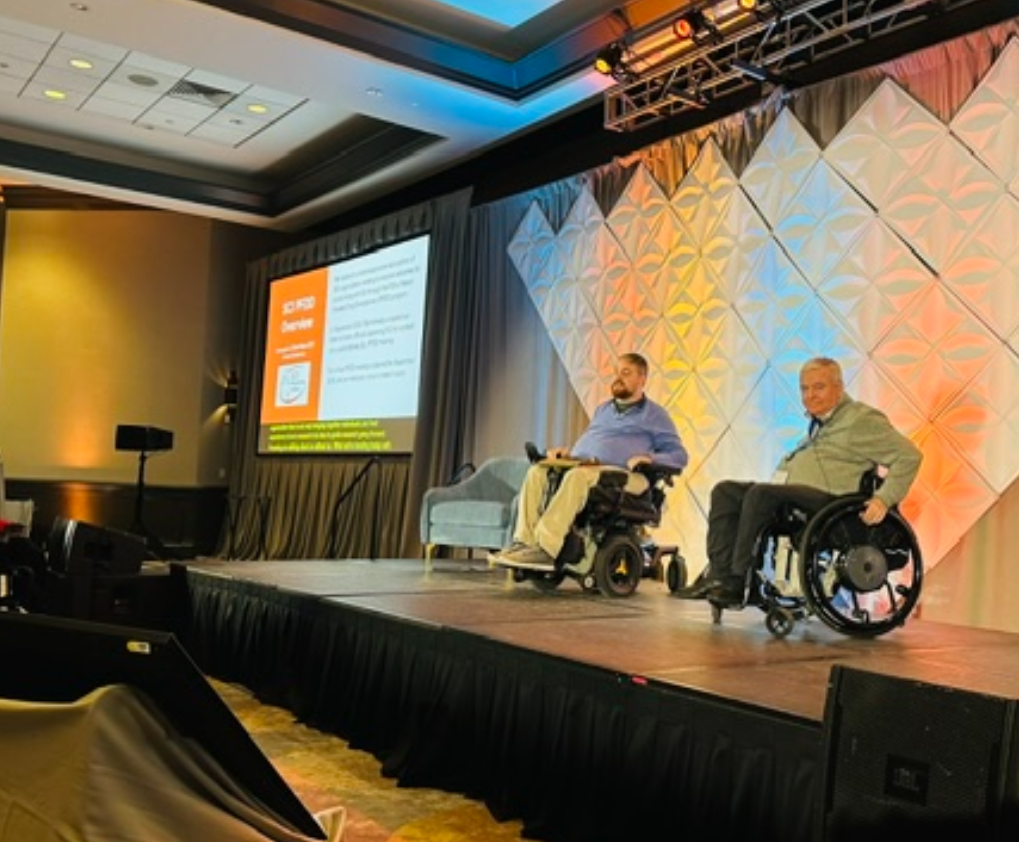
In September 2026, NASCIC will host the first FDA Externally-Led Patient-Focused Drug Development meeting for spinal cord injury, giving the community a formal platform to share priorities directly with regulators. This FDA process produces an official Voice of the Patient report documenting what treatments patients need, what outcomes matter most, and what risks they'll accept for meaningful benefit, thus informing regulatory decisions. We're partnering with Applied Patient Experience LLC to expand beyond the FDA meeting, creating a comprehensive Patient Experience Dossier that includes medical devices like bladder management systems, mobility aids, and neuromodulation technologies. This resource serves researchers, companies, payers, and funders who need patient input but lack access to regulatory reports. Together, these deliverables ensure patient voices shape the entire SCI treatment landscape, accelerating therapies addressing community priorities: bladder, bowel, and sexual function restoration, and treatments offering even small functional improvements.
Rachel Hibbs
University of Pittsburgh
Pittsburgh, Pennsylvania
“Online Training and Guide to Wheelchair Basketball for Clinicians”
$74,755
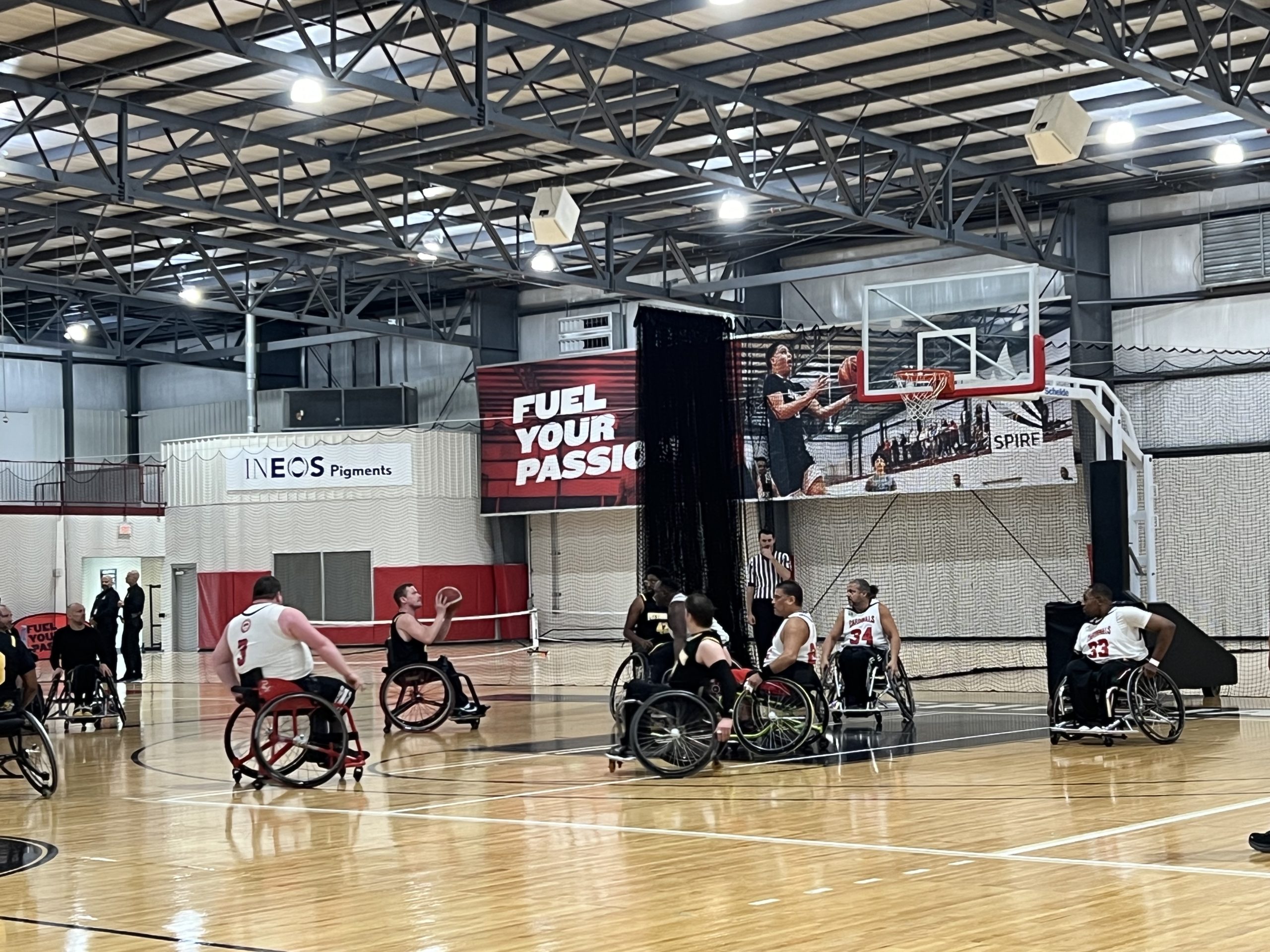
Adaptive sports like wheelchair basketball offer veterans with spinal cord injuries meaningful opportunities to stay active, build skills, and connect with their communities. However, many therapists and program staff don't have the specialized training needed to safely fit athletes with the right equipment or guide them through participation — which can create health risks or limit access.
To close that gap, this project will create an online training program for clinicians working with veterans in wheelchair basketball. It will cover things like evaluating a patient's needs, choosing and setting up the right chair, teaching mobility skills, and preventing injuries — all illustrated through real athletes. The goal is to give therapists the confidence and knowledge to get more veterans safely onto the court, making adaptive sports more accessible, evidence-based, and inclusive for this population.
John Sherman
Denver Adaptive Divers
Denver, Colorado
“Exploring the Depths of Possibility”
$39,500
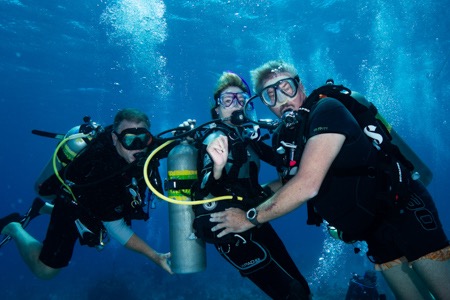
Denver Adaptive Divers (DAD) is a Denver-based 501(c)(3) nonprofit that empowers individuals with physical and cognitive disabilities through adaptive scuba diving. The organization provides training, support, and dive travel to help participants gain strength, confidence, and independence. DAD’s program begins with a “Try Scuba” pool session and continues through classroom, pool, and open-water certification under Scuba Schools International. The training adapts techniques, equipment, and buddy systems to each diver’s needs, ensuring safety and accessibility. Most graduates complete their certification on a Caribbean dive trip designed for adaptive divers. Founded in 2016 by diving enthusiasts John Sherman and Janine Melberg, DAD partners with Denver Divers and includes a medical advisory board with specialists in diving and rehabilitation medicine. Its mission is to remove barriers, promote inclusion, and improve quality of life through the freedom and weightlessness of underwater exploration.
Quang Zhang
The University of Alabama
Tuscaloosa, Alabama
“Hybrid Cycling Rehabilitation Training Using Functional Electrical Stimulation and Motorized Assistance”
$75,000
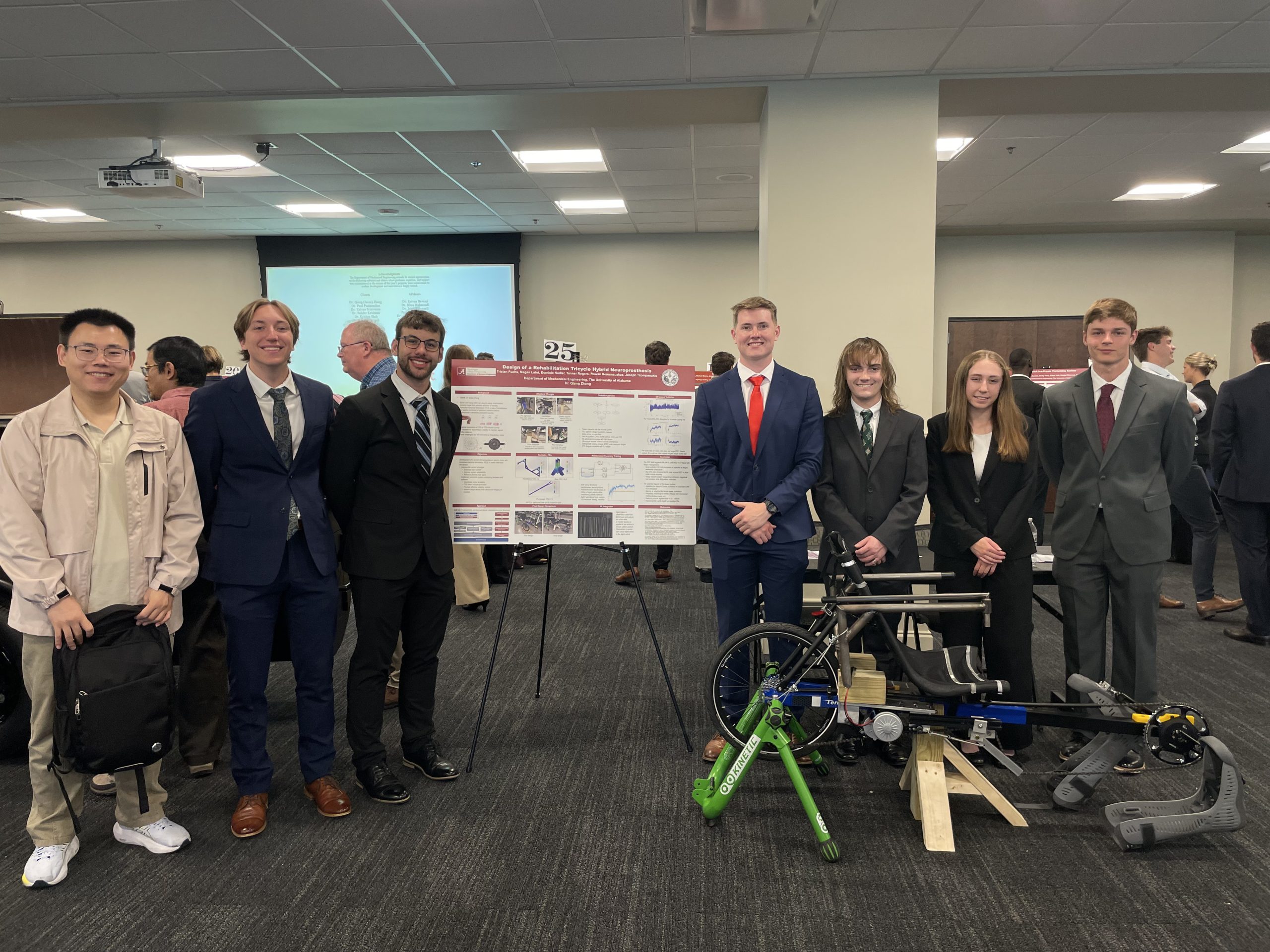
This project will create an easy-to-understand training program for people living with spinal cord injury or disease, caregivers, and rehabilitation professionals on how to safely use hybrid cycling technology that combines an electric motor with functional electrical stimulation. The program will teach users how the device works, how it may help activate leg muscles during cycling, and how to use it safely and confidently. Participants will help with tests and improve the training materials through hands-on sessions, feedback, and guided practice. The project will also produce workbooks, caregiver guides, clinician manuals, safety checklists, and short instructional videos. These resources will be shared with VA rehabilitation centers and other clinical partners to help more people access practical education on motorized FES-cycling rehabilitation.
Kimberley Monden
Regents of the University of Minnesota
Minneapolis, Minnesota
“Translating Research to Reality: A Dual-Audience Educational Toolkit for Advanced Assistive Technology Adoption in SCI/D”
$75,000
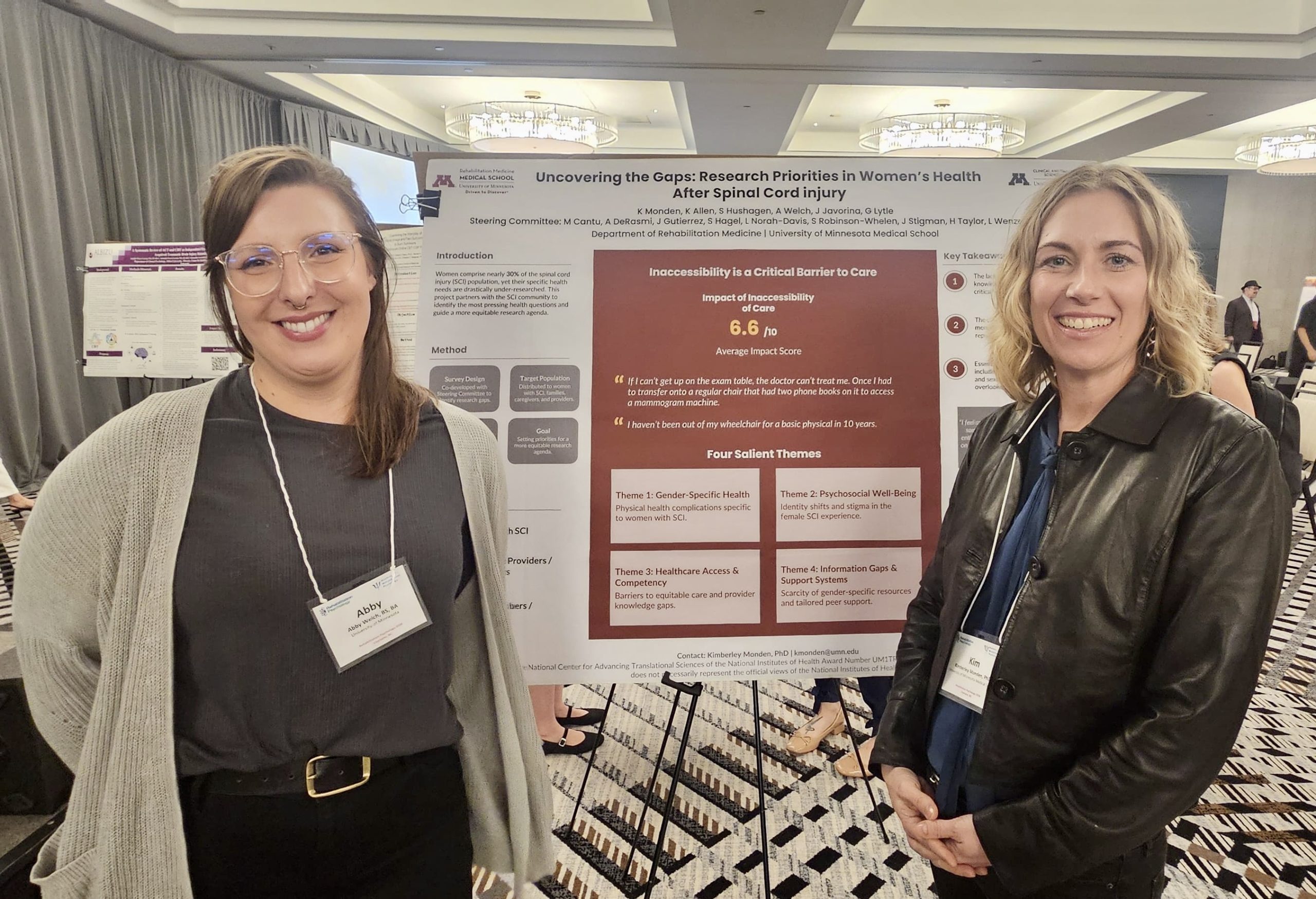
Advanced assistive technology (AT), like smart wheelchairs and personal assistants, can transform life for individuals with spinal cord injuries or disorders (SCI/D). However, many individuals abandon these high-tech tools not because of mechanical issues, but due to unaddressed social stigma, a “burden of stuff,” and anxiety about device failure.
Led by Dr. Kimberley Monden, this project bridges the gap between research and real-world use by developing an AT Readiness Toolkit. This open-access digital suite will provide clinicians with assessment guides to identify red flags for abandonment beyond just physical fit. For individuals with SCI/D, it will offer peer-led videos and decision aids to help them navigate eligibility requirements and advocate for their psychosocial needs. By addressing the human side of technology, we aim to help Veterans and civilians achieve greater independence and long-term success with their devices.