

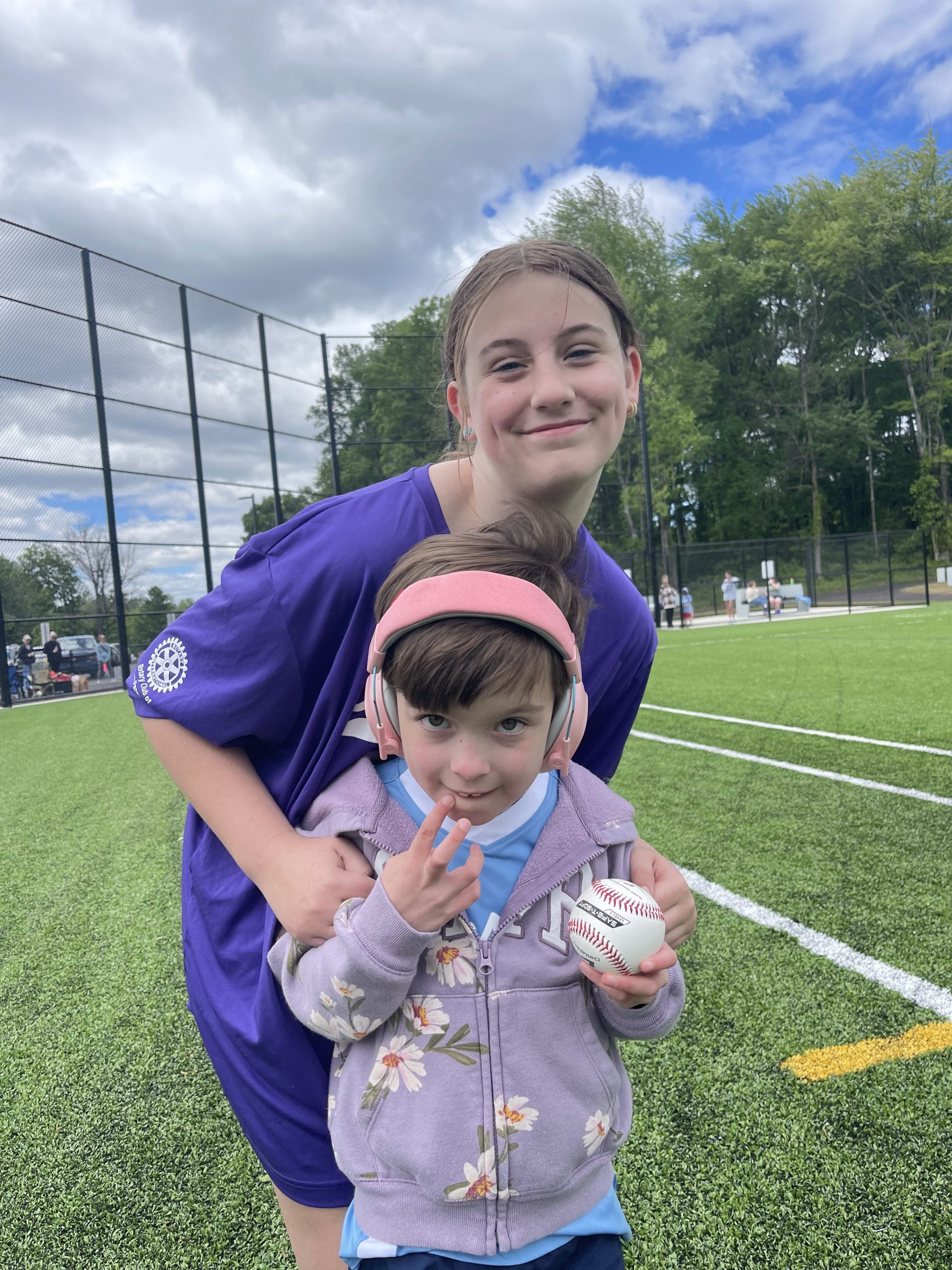
The first time Anna came to Miracle Field in Horsham, Pennsylvania, she cried and didn’t play. The second time, she cried but stepped up to bat once.
Now she shows up ready to play, has chosen her own walk-up song, and hasn’t looked back.
Her story is one of dozens already emerging from the Miracle Field of Horsham, an accessible, multipurpose field that opened in March. The field was designed from the ground up to give children with physical and intellectual disabilities not just a place to play, but a place to grow.
“Not only are we helping kids with special needs, but we're also making better humans here,” said William Slaymaker, the field’s president.
A Field Built From Nothing
The journey to opening day was years in the making. In April 2021, the Horsham Little League, which has hosted a Challenger division for children with special needs since the mid-1990s, approached Slaymaker about leading a new initiative. The ask was straightforward, but the undertaking was not.
"We started with nothing," Slaymaker said. "We did not have 501(c)(3) status, we did not have a corporation formed, we had no website, we had no money."
What followed was a sustained community effort that ultimately raised approximately $2.6 million. That total included three state grants totaling $2 million, as well as $600,000 raised through independent fundraising, including nearly $100,000 from the local Rotary Club. Trees were cleared, a parking lot was paved, and an entirely new field was constructed from scratch within the larger Horsham Little League complex.
The result is a turf field measuring 225 feet from home plate to center field — the same dimensions as a college softball diamond — with a playing surface designed specifically to accommodate wheelchairs and walkers. Unlike many Miracle Fields, which often use a rubberized surface, Horsham's field features NFL-style turf with a shallower nap, allowing mobility devices to move freely.
Exceeding ADA Standards at Every Turn
From the earliest planning stages, Slaymaker and his 10-member board of directors wanted to exceed federal accessibility requirements, and guidance from the Paralyzed Veterans of America helped shape that philosophy. Several years before the field broke ground, Slaymaker reached out to PVA for feedback on accessibility planning, and the advice he received became a cornerstone of the project's design approach.
"Don't just meet ADA compliance — exceed it where you can," Slaymaker said, recalling the guidance he received from PVA. "And that's exactly what we did."
That principle shows up throughout the facility in ways both subtle and obvious. The previously unpaved parking lot, which was an obstacle for families pushing wheelchairs, has been fully paved. It now includes 25 handicapped parking spots, up from the original eight, and they are all close to Miracle Field. A dedicated valet lane allows families with mobility equipment to pull up, unload, and reach the field without navigating a busy lot.
“The number of required accessible parking spaces are set by local building and zoning codes, but [William] was focused on exceeding these requirements,” said PVA Associate Director of Architecture Wayne W. Broadfield, III. “I discussed the benefits of providing 11-foot-wide parking spaces for designated van spaces to allow for easier side ramp deployments instead of the typical 8-by-8-foot parking spaces and striped side access aisles.”
Grading throughout the facility was engineered to exceed ADA slope requirements. Where the federal standard allows an 8% grade on ramps, the Miracle Field's ramps come in closer to 4%, a seemingly small difference that matters greatly to anyone in a wheelchair.
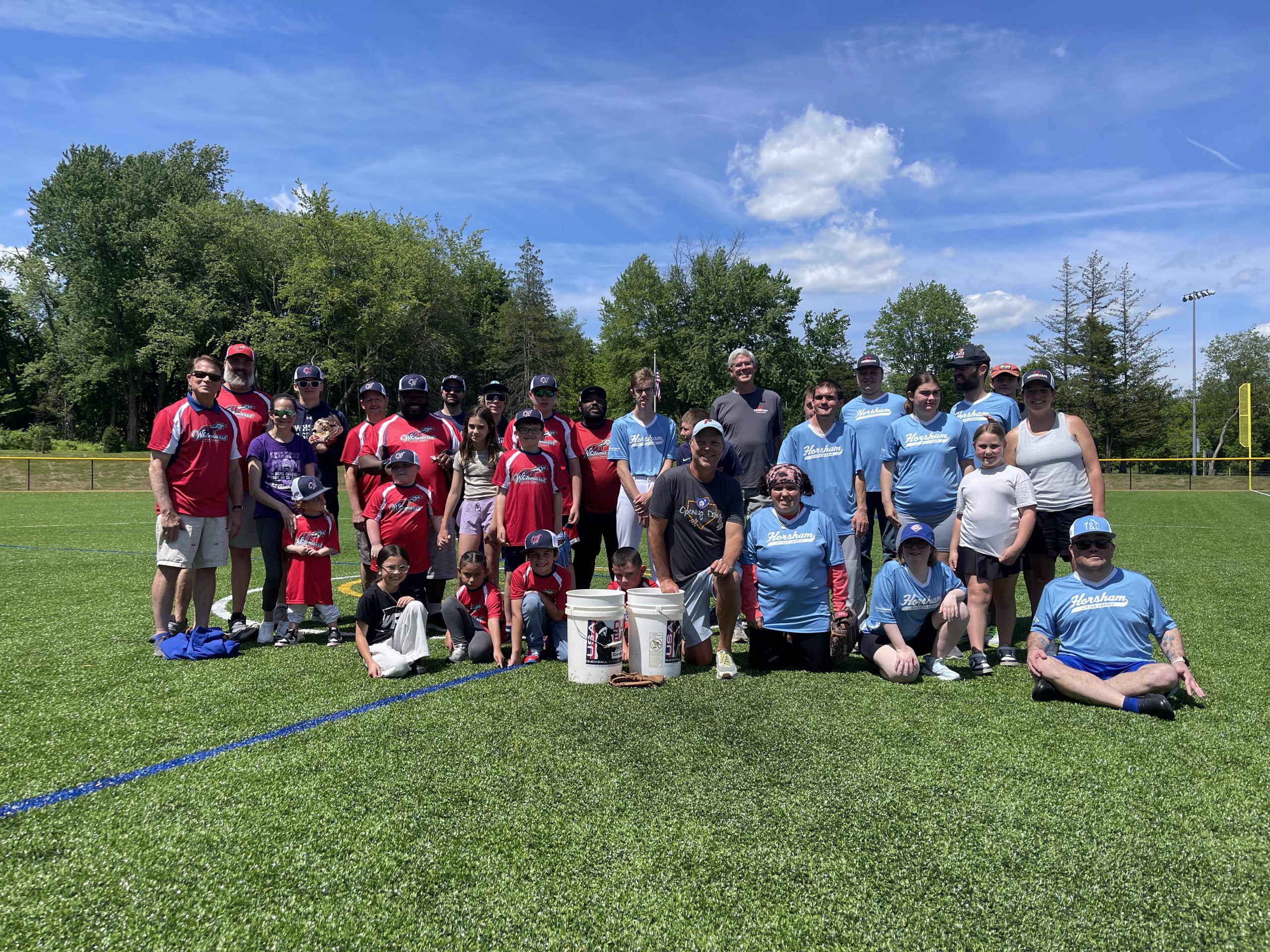
The playing surface is artificial turf, similar to what you’d find in NFL stadiums across the country, but with a shorter pile height to allow for easier movement for players using wheelchairs and walkers.
“Typical sports fields incorporate both grass and dirt surfaces that distinguishes the play area; however, that creates several barriers for players who use wheelchairs,” said Broadfield. “The vertical transition between the two different ground surfaces creates a slip/fall hazard and are hard to navigate across.”
Perhaps most meaningfully, every entrance to the field was designed so that a person in a wheelchair and a walking companion can enter side by side, together, without one having to wait for the other.
"As you're walking onto the field from any of the entrances — if you were in a wheelchair and I was standing next to you, you and I can walk out to the field together, side by side, as a team," Slaymaker said. “And there's no gate."
The elimination of gates — a staple of traditional baseball fields — was intentional. So were the dugout benches, which are staggered rather than arranged in a single long row. The design was championed by a board member and wounded veteran who served in Afghanistan.
"When a kid in the wheelchair comes off the field and he's next to his friend, don't just give him two options of where to sit. Give them four options, so that they don't need to be separated," Slaymaker said, summarizing his board member's thinking. The staggered configuration exceeds ADA spacing requirements and ensures players with wheelchairs can sit alongside their teammates in the dugout.
The field's bases, meanwhile, are Velcroed flush into the turf. There are no raised edges, no tripping hazards, and can be they positioned at either 50 or 60 feet, depending on the needs of the players.
A Place to Feel Normal
Horsham’s Challenger League serves two divisions: a younger group, roughly ages 4 to 14, and an older group with no upper age limit. The oldest current participant is in his 40s. Age is less important than ability, and the league reserves the right to move players between divisions based on what serves them best.
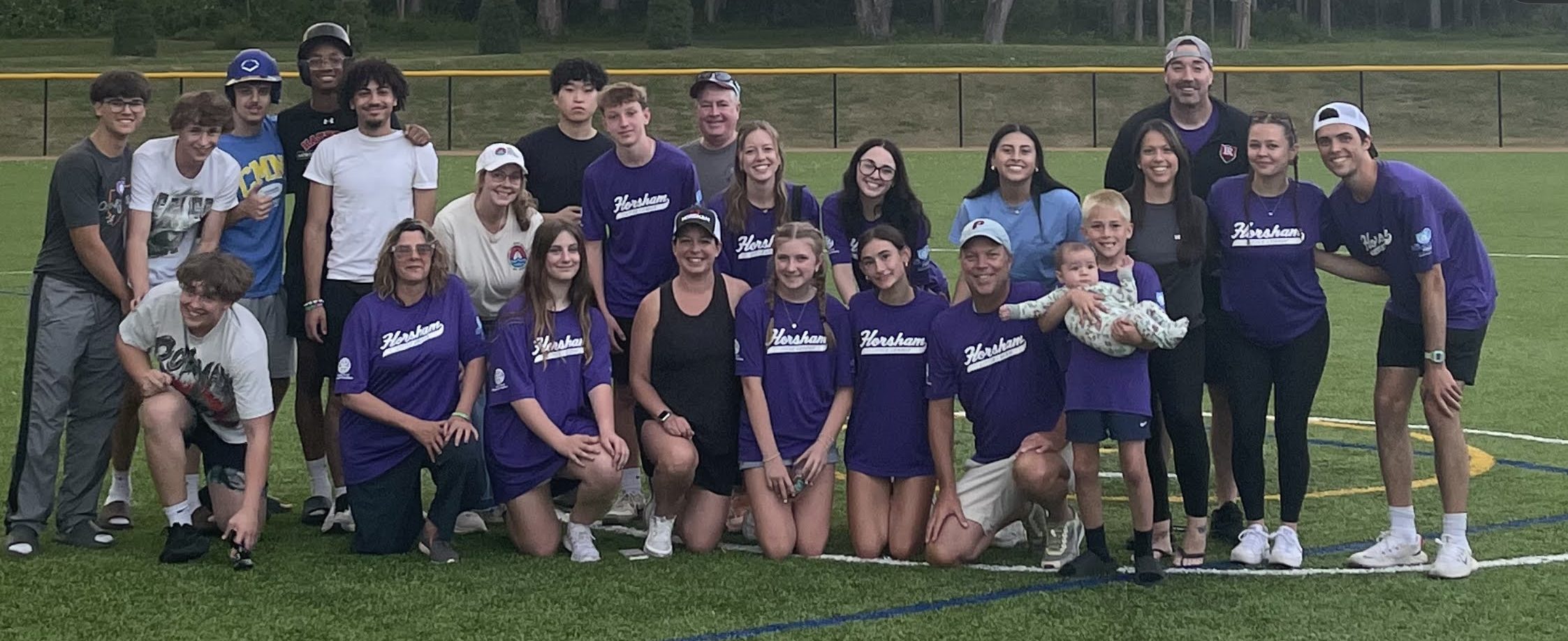
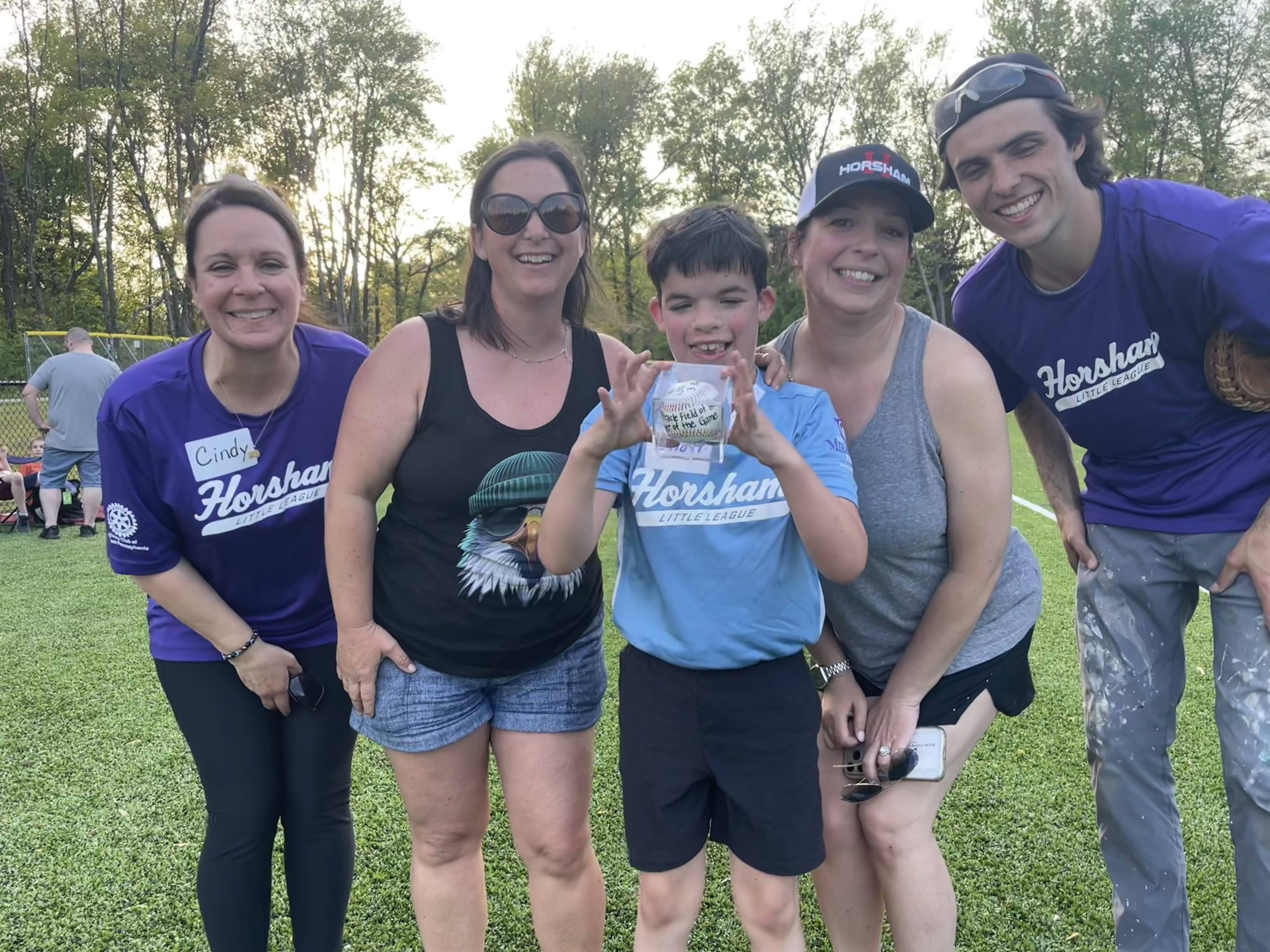
On weekday evenings, about 50 people participate. On weekends, that number can climb to 100. Caregivers and parents are welcome on the field alongside players, and volunteer "buddies,” many of them young adults and alumni from the Little League program, serve as one-on-one companions, offering encouragement and sharing in the game.
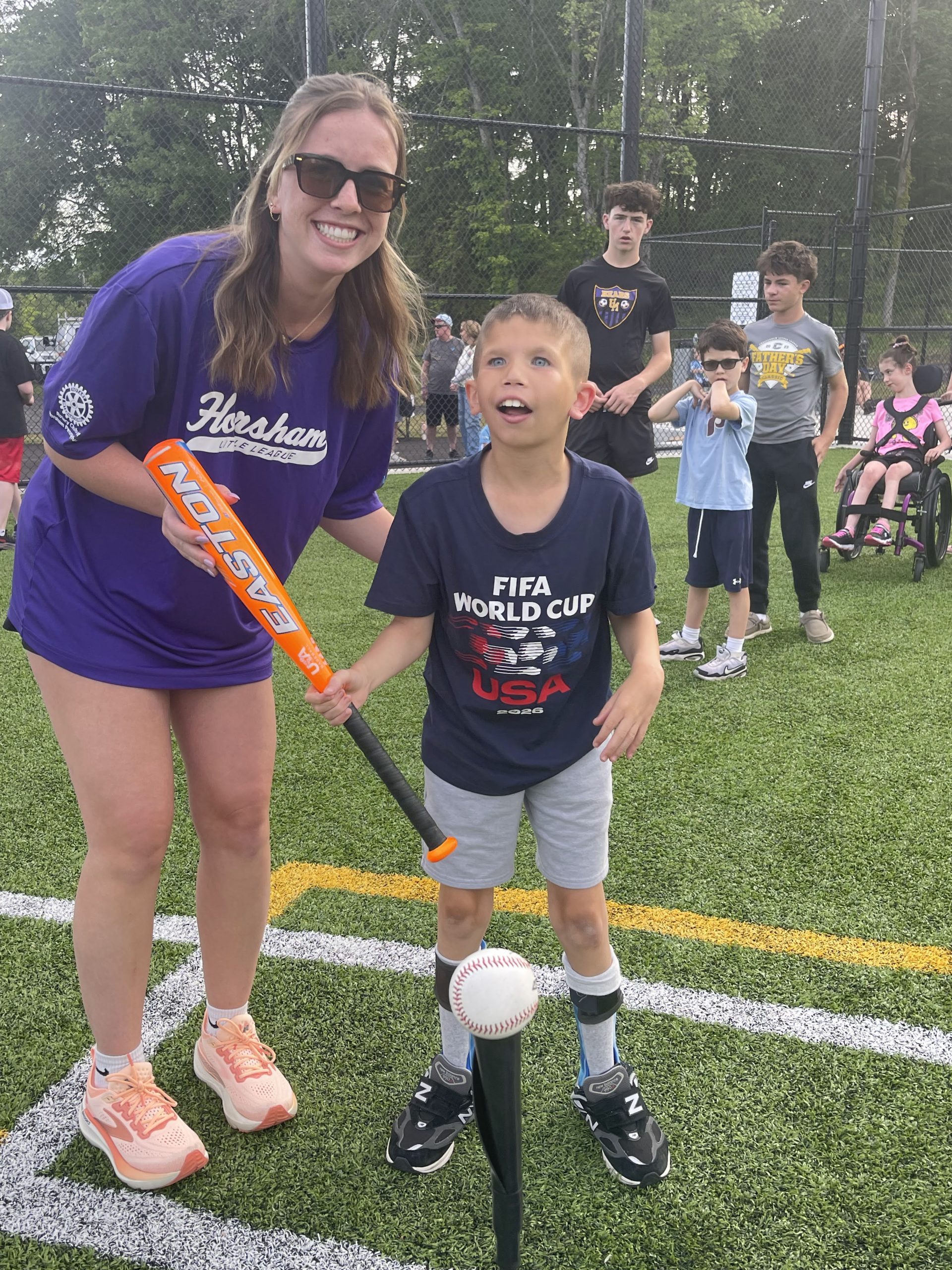
The stories that have emerged in just the first weeks of play illustrate what the field means to families who spent years without options like this.
One mother shared her family's experience in a social media post that Slaymaker read aloud with pride. She wrote of arriving to the field for the first time with her twins, guard up as always, braced for the stares and complications that so often accompany outings with children who have disabilities. What she found instead stopped her in her tracks.
"We were free from staring, judgment, rules, explanations, confusing looks," she wrote. "Kids in wheelchairs being pushed around the bases by their neurotypical peers. Nonverbal kids with talkers around their necks and a baseball in their hand. … Pure heaven."
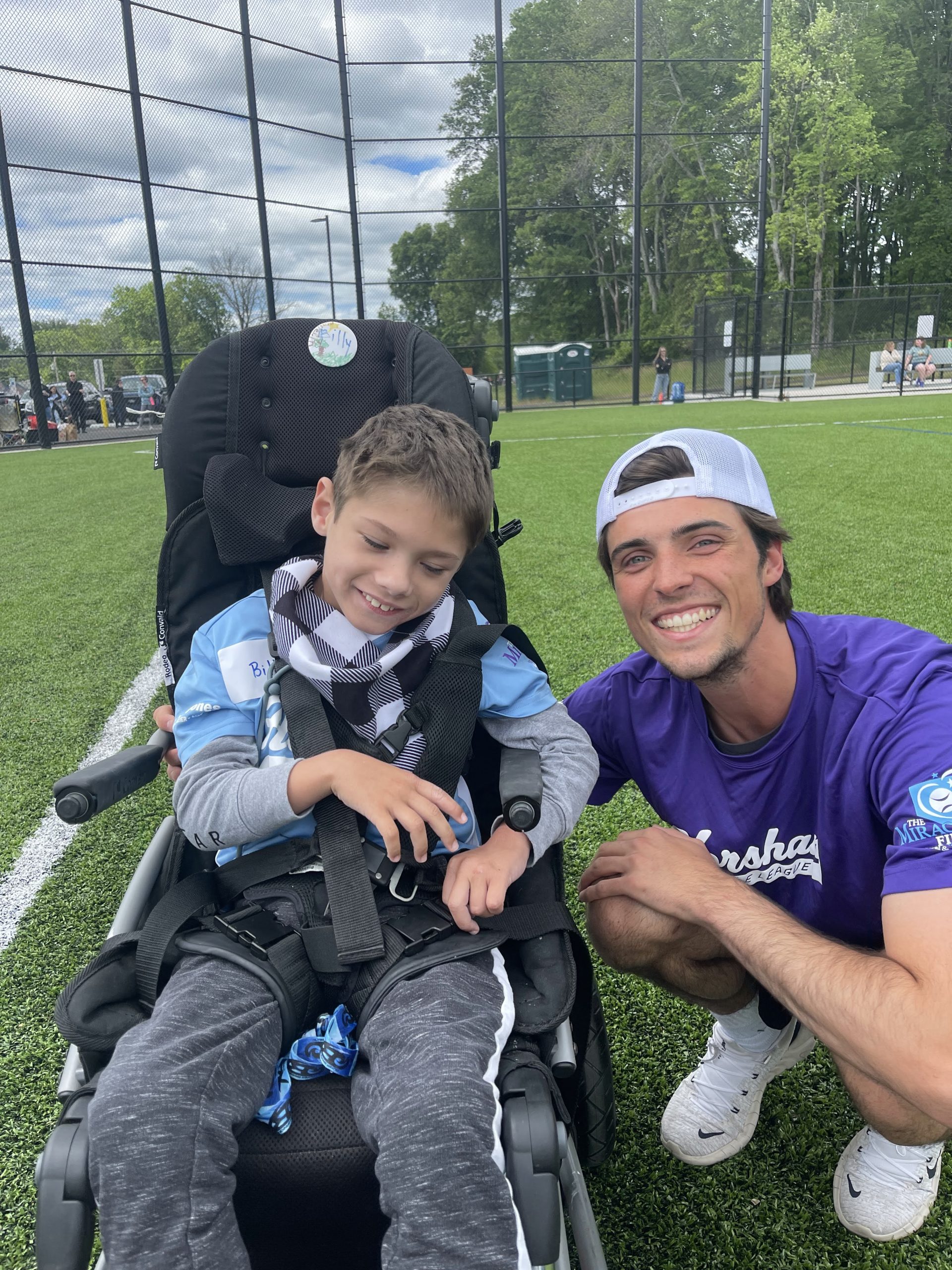
Slaymaker recalled another moment that crystallized what the field represents. A boy in a wheelchair arrived at first base during a game. Slaymaker walked over and asked if he needed anyone to push him.
"Absolutely not," the boy told him.
“The field, it changes lives, and kids that didn't have confidence gain confidence,” Slaymaker said.
A father whose son uses a wheelchair summed it up simply after a recent game: "I just never saw my son participating in anything like this. This wasn't a reality for us until this field was here."
What Comes Next
The field is already being rented to a local soccer club, and Slaymaker envisions expanding to Challenger soccer, Challenger flag football, and potentially wheelchair rugby. A veterans outreach program is also part of the long-term plan, with hopes of hosting athletic events for wounded veterans at the facility.
For now, though, the most important thing is what is already happening in Horsham. Children who had nowhere to play are competing and gaining confidence. Parents who rarely get a break are sitting in the stands, cheering their kids as they round the bases.
Families who previously showed up to every public situation with their guard up are arriving at a field where they are welcome.
For PVA, the Miracle Field of Horsham represents exactly the kind of community impact the organization strives to support. While PVA’s primary mission is serving the men and women who have sacrificed for their country, its commitment to accessibility and inclusion extends far beyond the veteran community. PVA is proud and honored to have played a small role in the creation of a facility that is changing lives for children and families in Horsham and sees the field as a powerful reminder that the fight for accessibility benefits everyone, regardless of age or background.
Learn more about the impact of our team of architects, and how our partnerships have impacted communities around the country.