

You book the room weeks in advance. You confirm the accessible features by phone. After a long day of travel, you arrive and the door opens onto a space that was not designed for you.
For veterans with spinal cord injuries and diseases, that moment is far too common. A roll-in shower turns out to be a tub. The bed sits so high that a transfer becomes a risk. The bathroom door is too narrow for a wheelchair to clear. The “accessible” room has steps, furniture blocking the path to a thermostat, or no usable route to the pool, restaurant, or the other amenities other hotel guests have access to.
In spite of these challenges, hotels have made real progress. Since the Americans with Disabilities Act became law, accessible rooms have become more common, and many properties now train staff and plan renovations with wheelchair users in mind. That progress matters, and veterans notice it.
But the progress made is far from complete. Too often, a room that satisfies a compliance checklist fails the person who has to use it. The stories below come from veterans themselves, in their own words. They describe what they expected, what they found, and what they did next. Together, they make a simple case: there is still much more work to be done.
Takeyla Adams, U.S. Army Veteran, PVA Mid-Atlantic Chapter Member
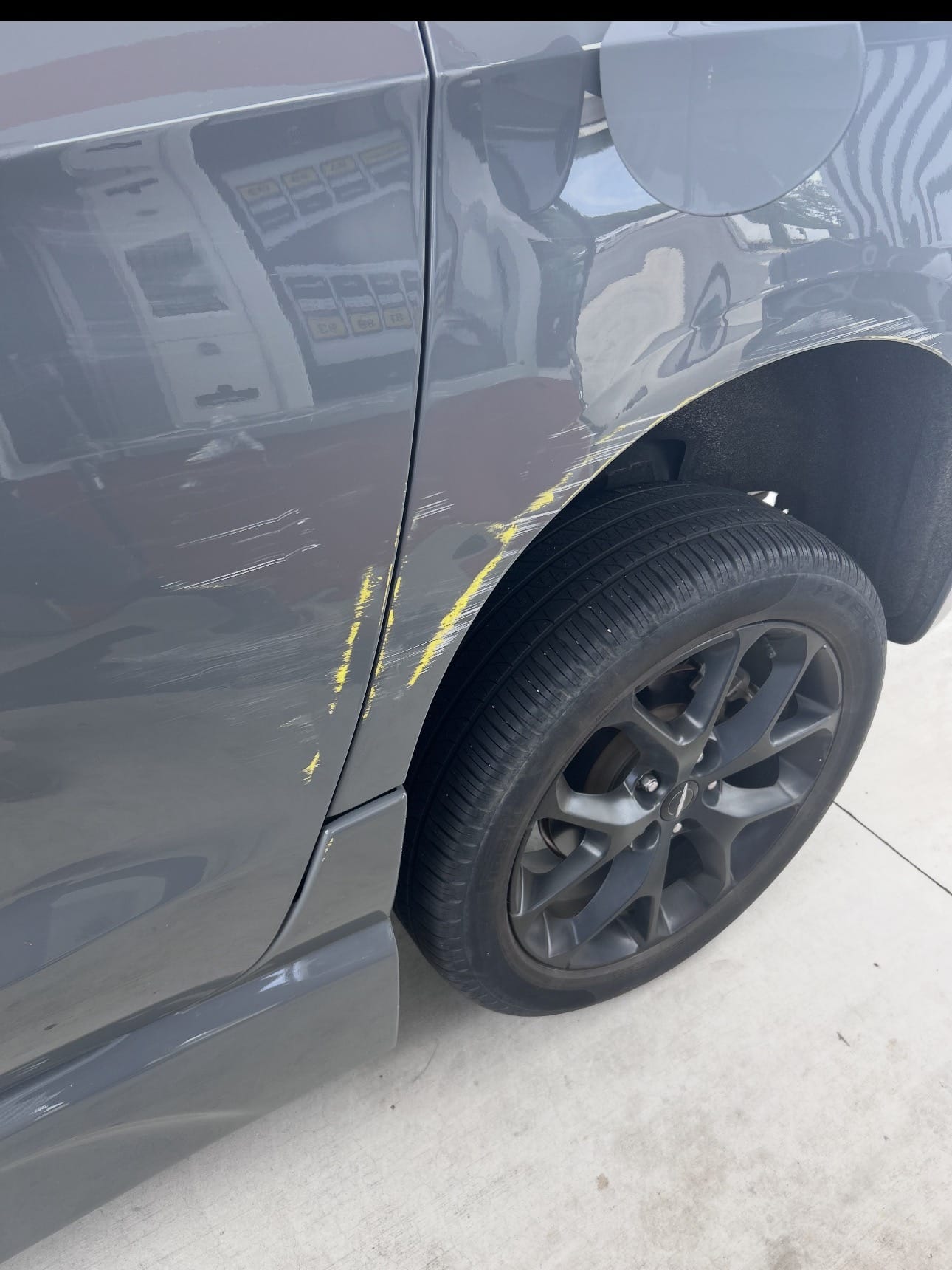
I stayed at a hotel in Myrtle Beach, South Carolina, that claimed to have accessible features, but the parking deck proved otherwise. The designated "accessible" space was far too narrow and squeezed right next to a massive support pillar.
After carefully maneuvering into the spot, I scraped the side of my vehicle along the yellow structural pole. Once parked, I deployed my side-entry ramp, only to realize the ramp opened directly into a solid brick wall. There was zero space to deploy fully or maneuver out of the vehicle. What was supposed to be a standard accessible spot ended up damaging my vehicle and leaving me completely trapped.
Mike Romanowski, U.S. Air Force Veteran, PVA Nevada Chapter Member
One of the biggest frustrations my wife and I face when traveling is finding a hotel room that's truly accessible. Too often, a hotel advertises an "accessible room," but what that really means is somebody installed a grab bar in the shower and called it a day.
Accessibility is about more than a grab bar. It means having a bathroom you can actually maneuver around in - a roll-in shower, a usable shower chair, and doorways wide enough for a wheelchair or scooter. These aren't luxuries. They're necessities.
My wife and I have learned that you can't simply trust a hotel's definition of accessible. You have to call ahead, ask specific questions, and explain exactly what you need. Even then, there's always that uncertainty until you get into the room.
My advice to other veterans is simple: Never accept "Yes, it's accessible" as the final answer. Ask questions. Be specific. Make sure the room will work for you before you arrive. And when they don’t, educate them.
Because accessibility shouldn't be a guessing game.
Tom Wheaton, U.S. Navy Veteran, PVA National Treasurer
Over the past 38 years of using a manual wheelchair, there have been many examples of inaccessibility. Some recurring issues have been hotel beds being too high to independently transfer onto, bathrooms doors being too narrow to wheel through, and thermostats being unable to adjust because it’s too high off the ground or blocked by furniture.
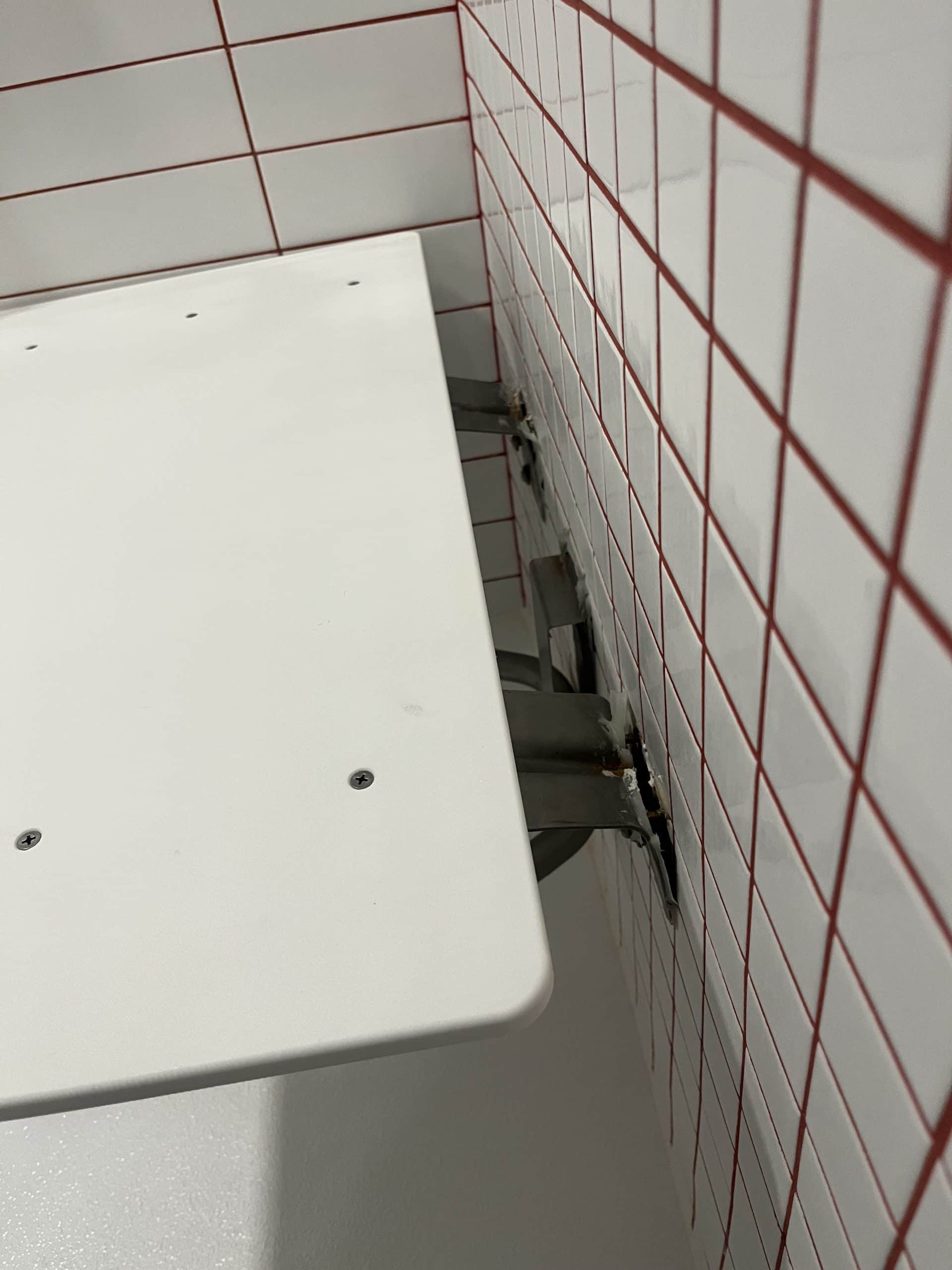
But two recent incidents were particularly discouraging. First, in April of 2025, we encountered a flip-down shower bench that I couldn’t transfer onto because it was falling off the wall. This was a new hotel and somehow, they didn’t ensure it was properly bolted and secure.
The other incident occurred in April of 2026 in Kansas. We reserved a specific accessible room with a 3-foot-by-3-foot roll-in shower at a newly constructed major hotel chain in a major city. Sadly, the shower configuration was different than what we expected. It had sliding glass doors, and a lip of about 5 inches, which made it completely inaccessible to safely transfer out of my wheelchair to shower.
We formally complained to the hotel through PVA’s Advocacy Department, only to have the hotel reply that we reserved the incorrect room. Yet, when we were on site and hotel staff showed us all other accessible showers, they all had sliding doors and a 5-inch rise from the floor to the shower door.
In both situations, we had driven all day leading up to the stays, relying on showering to be refreshed for the next day of extensive travel. It seems like such a slap in the face to have these surprise experiences 36 years after the passage of the Americans with Disabilities Act.
Help Hotels Get It Right
These stories demonstrate that accessibility cannot be measured by meeting the minimum ADA requirements alone. The entire hospitality industry — including hotel managers, staff, planners, and architects — must educate themselves on the real-world experiences of travelers with disabilities, including how they use the space and the persistent barriers that continue make travel unsafe, uncomfortable, or even impossible for them.
PVA’s newly released “Best Practices in Hotel Accessibility Guide” offers practical recommendations drawn from PVA’s decades of accessibility expertise and more firsthand accounts of its members living with spinal cord injury or disease. Volume I, Welcoming Mobility Device Users, covers the entire hotel stay journey: from researching and reserving a room to getting around on hotel transportation, using bathrooms, and navigating meeting spaces. Volume II, “Planning and Hosting Wheelchair Accessible Events,” launches December 4.
Read the full guide now and share it with any hotels, planners, and travel professionals you know. By working together, we can ensure every traveler has the same opportunity to comfortably and safely stay in a hotel.