

One is a U.S. Navy SEAL veteran, Paralympian, former PVA national president, and editor-in-chief. The other spent his career telling other people's stories, from the Department of Defense to the U.S. Coast Guard.
Together, Al Kovach and Chad Stewart can add “podcast host” to their resumes.
Meet the co-hosts of “Voices of PVA,” Paralyzed Veterans of America's first podcast on life with a spinal cord injury or disease (SCI/D). Premiering September 22, the show will bring listeners inside the health care battles, legislative wins, and adaptive sports journeys shaping veterans' lives today. Ahead of launch, we sat down with both hosts to learn what brought them here, and what they hope the podcast means to the SCI/D community.
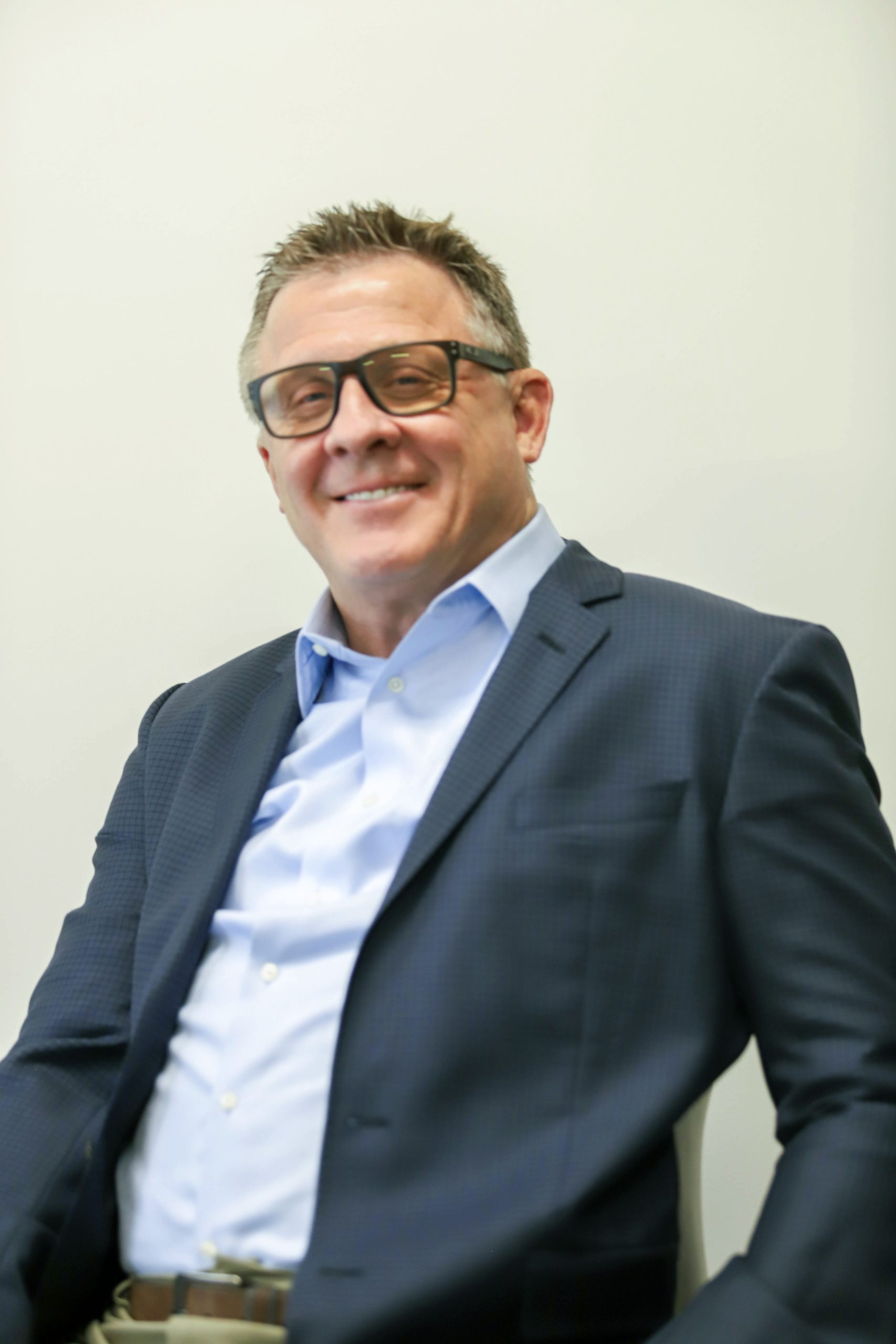
Al Kovach: From SEAL Teams to PVA's National President
Al's path to service wasn't sparked by one defining moment. His father served during the Cuban Missile Crisis, his uncle in Vietnam, his grandfather and great-uncles in World War II. “I felt a moral obligation to serve my country,” Al said. “I wanted to be part of something bigger than myself.”
The military, and later the SEAL Teams, gave him that chance. “It wasn't about being the toughest guy in the room. It was about earning the trust of the people beside you.”
That changed in an instant during a military parachute training exercise, when a midair collision entangled Al's chute with another jumper's, leaving him with a spinal cord injury. “I've joked over the years that gravity is undefeated,” he said. “In my case, it won that day. While the accident changed my body, it never changed my purpose.”
The hardest part of adjusting wasn't physical, it was mental. “I spent my life solving problems and taking care of other people. Suddenly, I had to learn how to accept help.” Eventually, he found a different kind of strength.
“Sometimes strength is adapting, asking for help when you need it, and refusing to let your circumstances define your future.”
That lesson came into focus through PVA. A national service officer visited Al's bedside to explain his VA benefits. Other paralyzed veterans, volunteering for PVA, checked in on him regularly. “
They didn't lecture me. They understood exactly what I was going through because they'd lived it themselves. Nobody treated me like my life was over,” he said.
That experience set Al on his next mission: making sure other veterans received the same support he did.
He went on to serve as PVA's national president from 2014 to 2017 — the first president to have served after the Vietnam War ended.
“I wanted to serve all veterans,” he said, “including those like me who had served during Desert Storm and beyond.” The role meant fighting to ensure veterans with SCI/D and diseases, like ALS and MS, received specialized care, while pushing PVA to do more for caregivers.
Now, Al sees the podcast as a natural extension of that advocacy.
“Conversations have power. A magazine article can inform you, but conversation lets you hear someone's heart.”
He hopes listeners walk away from every episode having learned something useful, and feel inspired and more connected to the community. “If someone hears an episode and thinks, 'I'm not alone,' or 'I didn't know that resource existed' — that's success.”
For longtime PVA members, Al has a simple message: “This podcast belongs to them. These are their stories, challenges, victories, and ideas. I'm simply here to help bring those conversations to life. If we do this well, listeners won't just hear interviews — they'll hear themselves.”
Chad Stewart: The Journalist Joining Him at the Mic
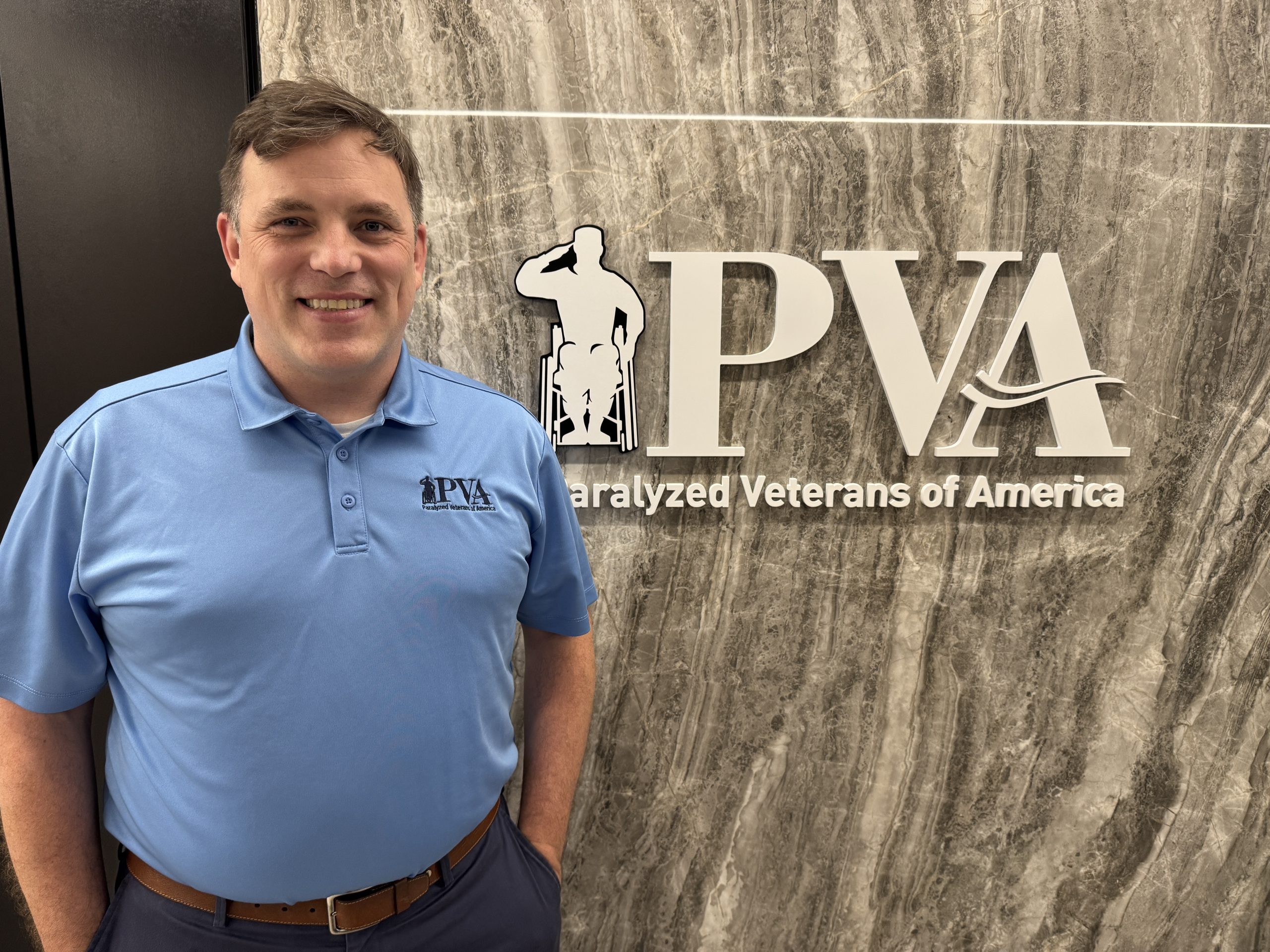
Chad Stewart has spent most of his career telling other people's stories, first at DoD, then with the USO, the U.S. Coast Guard, and now at PVA. “I've always been drawn to the people behind the headlines, especially in the veteran community,” he said.
PVA, he says, felt like the culmination of everything he'd learned. “This organization is fighting for veterans with spinal cord injuries and diseases — people who've given so much and deserve every bit of support and advocacy we can offer. I wanted to use my storytelling background to amplify their voices, not just report on their circumstances.”
As for what listeners can expect once the show premieres, Chad points to honesty above all.
“I'm not here to sugarcoat the challenges veterans face, but I'm also not here to dwell in negativity. I want this show to be a space where real stories get told. The hard ones and the hopeful ones.” He plans to bring the same curiosity that's defined his career, paired with deep respect for every guest who sits down at the mic.
A Shared Mission
Despite very different roads to PVA — one through the SEAL Teams and national leadership, the other through newsrooms and communications departments — Al and Chad share the same instinct: that people's stories matter more than headlines.
Al put it simply when asked what listeners might be surprised to learn about him.
“People sometimes assume that after everything I've done, I've got life figured out. The truth is, I'm still learning. Every veteran I meet teaches me something. Every conversation changes my perspective. That's one of the things I'm looking forward to most about this podcast.”
Chad feels the same pull toward what's ahead.
“Every guest, every story, every episode is a chance to shine a light on something that matters. I've spent my whole career doing that in different places. Now I get to do it for PVA, and I couldn't be more grateful.”
“Voices of PVA” premieres September 22. Subscribe to our Substack so you never miss an episode.