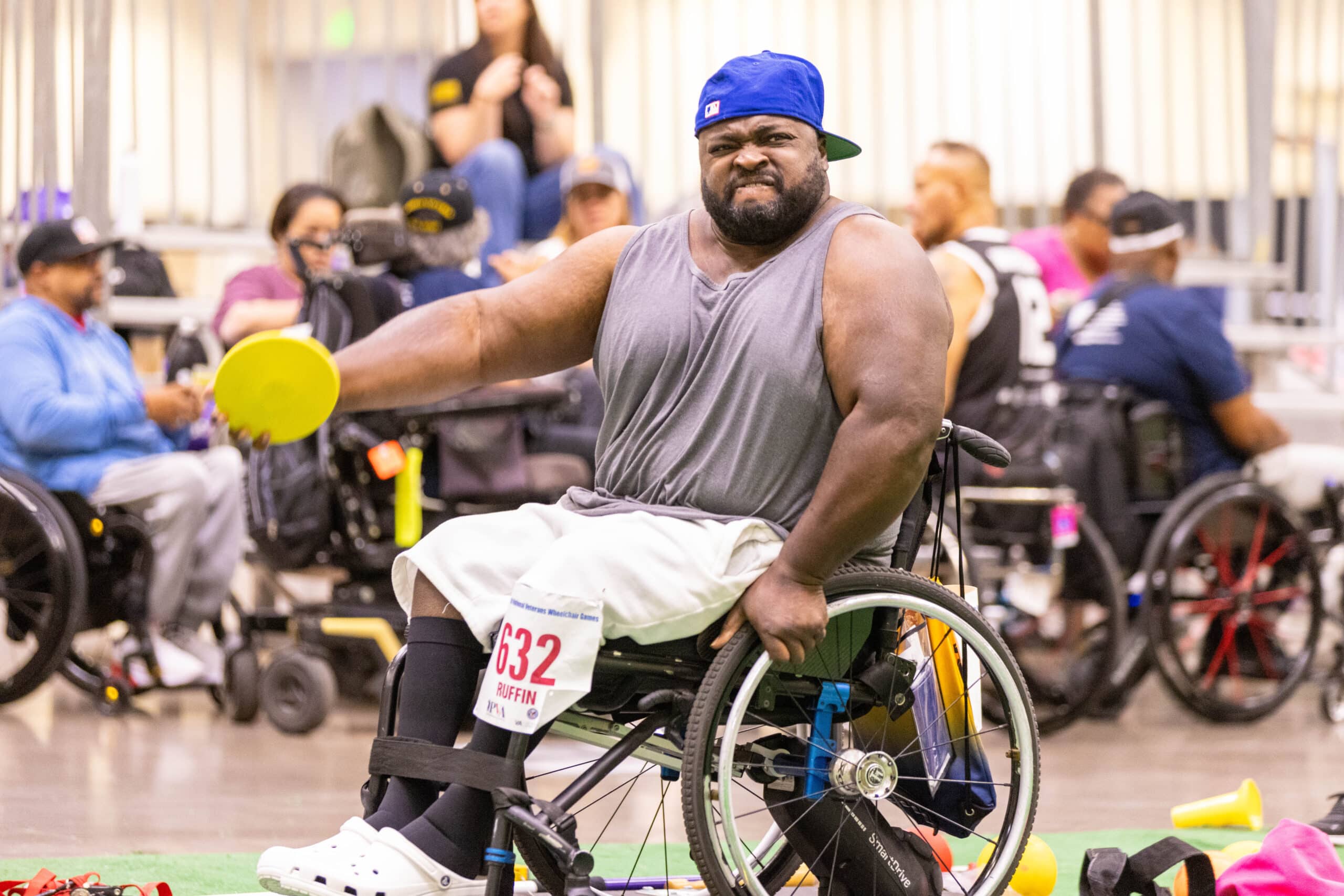


In 1981, 77 veterans gathered to compete in seven events. 45 years later, ~500 veteran athletes from across the country will convene in Detroit for the 45th National Veterans Wheelchair Games — a milestone anniversary for what has grown into the world’s largest annual wheelchair sports and rehabilitation event designed exclusively for U.S. military veterans with disabilities.
 Co-presented by Paralyzed Veterans of America and the Department of Veterans Affairs, the Wheelchair Games will take place July 9–14, 2026, in the heart of Motown. It's a city that has long prided itself on toughness, resilience, and the will to rebuild, much like the athletes gathered here this week.
The Wheelchair Games are part athletic competition, part rehabilitation milestone, and part homecoming. But if you ask veterans who keep coming back what draws them, the answer is rarely the medals.
 Army veteran Roy Wilkins, who competed in his 18th Wheelchair Games in Minneapolis, put it plainly. “When I reconnect with my brothers here, it’s like I never left.”
That sense of belonging is part of what make the Wheelchair Games transformative for first timers, too. Navy veteran Breanna Wharram described her first experience as a revelation.
“I never thought I’d be able to play sports that required this kind of movement again,” she said. “Then I came to the Wheelchair Games.”
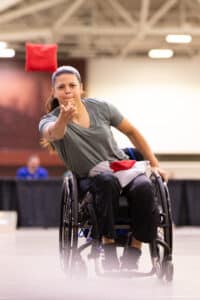 According to PVA National President Robert Thomas, the event touches virtually every aspect of daily life.
“The Wheelchair Games help veterans not only develop their core wheelchair skills but build confidence and relearn everyday tasks,” he said. “It also expands their support systems and gives them a sense of community.”
“For many veterans, the Wheelchair Games are their first experience since their injury returning to competition and sports,” said Dave Tostenrude, the VA’s co-director of the National Veterans Wheelchair Games. "They may be tentative at first, but through the experience we see that fire begin burning and future barriers become just another obstacle to overcome.”
As VA therapists increasingly turn to adaptive sports to help veterans become more active in their lives and communities, the Wheelchair Games continue to flourish. Over the past four decades, thousands of veterans with disabilities have gained the skills, confidence, and experience to take on new challenges in the spirit of opportunity rather than limitation.
"Adaptive sports do more than restore physical function — they restore purpose. For many veterans, the Wheelchair Games are a turning point, the moment they find their footing again and remember what they're capable of. At VA, we've seen firsthand how that sense of belonging and possibility can be lifesaving."
Now, in its 45th year, the National Veterans Wheelchair Games aren't just celebrating history: they're still making it.