

This Veterans Day, Paralyzed Veterans of America (PVA) marks more than 80 years of service, and its new ONE of ONE brand awareness campaign puts that legacy in the spotlight. Launched September 1, the year-long effort celebrates PVA as the only nonprofit dedicated to veterans living with spinal cord injuries and diseases, including MS and ALS. It also highlights a second part of PVA’s dual mission: advancing the rights and well-being of all people with disabilities.
That broader commitment shows in PVA’s reach. With more than 70 offices and 33 chapters, PVA serves veterans, their families, and their caregivers in all 50 states, the District of Columbia, and Puerto Rico. Here are six ways PVA supports the broader veteran community, not just those with spinal cord injuries and diseases.
1. Advocacy that reaches veterans of every era
PVA fought for years to expand the VA’s Program of Comprehensive Assistance for Family Caregivers beyond post-9/11 veterans. The expansion extended the benefit to veterans of earlier service eras, including those with conditions like MS and ALS. In recent years, PVA has supported several new laws that benefit all veterans.
The VA Appeals Modernization Act of 2017 overhauled a slow, confusing claims appeals process, giving veterans three clearer options for seeking review of a decision: a higher-level review, a supplemental claim, or an appeal to the Board of Veterans’ Appeals. In 2022, the PACT Act became one of the most significant expansions of veterans’ benefits in decades. It extended VA healthcare and benefits eligibility to veterans exposed to Agent Orange, burn pits, and other toxins, and it made it easier for them to get care and compensation for related illnesses without having to prove their service caused them. PVA advocated for both laws because timely access to care, and a fair process for earning the benefits veterans have been promised, matter most to the veterans and families we serve.
2. A voice in national policy
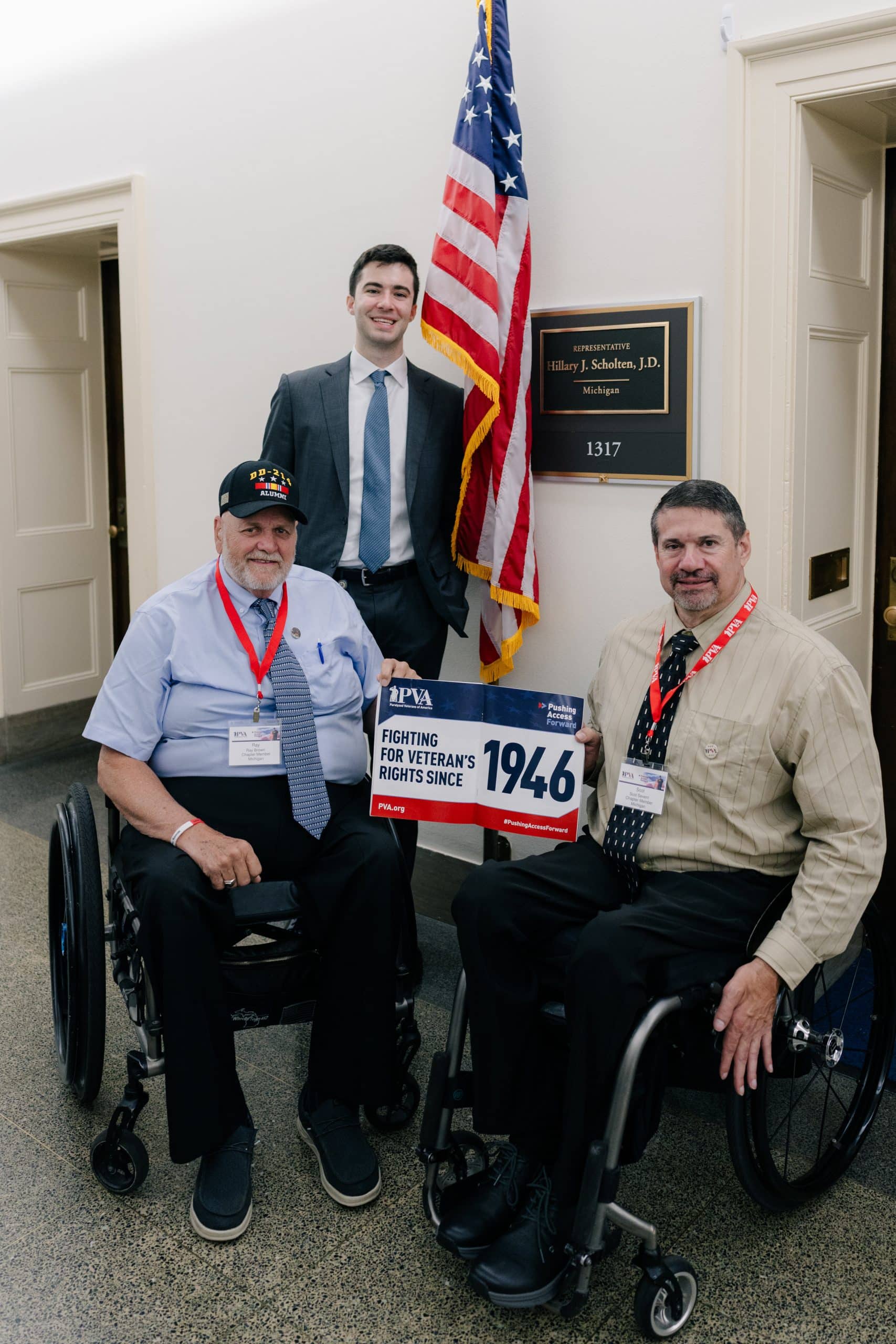
For 80 years, PVA has helped shape legislation that extends far past spinal cord injury care, including the Americans with Disabilities Act, accessible air travel protections, voting rights, and health care policy. These efforts advance independence and opportunity for the entire disability community, veteran and civilian alike.
3. Career help open to every veteran
PVA’s Veterans Career Program provides free employment support and vocational counseling to all veterans, transitioning service members, military spouses, and caregivers, regardless of disability status. Employment analysts and vocational rehabilitation counselors help with resumes, interview skills, LinkedIn profiles, and job search strategies. The program placed 261 individuals in meaningful careers in FY26, and it is an authorized provider in Social Security’s Ticket to Work program. The Veterans Career Program also offers Veterans Career Live, virtual webinars featuring employer partners and expert guests who cover a range of employment, disability, and veteran benefits topics.

4. Accessibility work that benefits everyone
PVA employs licensed architects who write national accessibility standards and help advance barrier-free design in public buildings and spaces. A curb cut or ramp built to these standards also helps veterans who use a walker, parents with strollers, older adults, and anyone else sharing the space.
5. Knowledge that travels beyond PVA’s doors
PVA shares its expertise through publications that reach more than 60 countries in four languages, including the “Yes, You Can!” guide for people newly navigating a spinal cord injury or disease, Clinical Practices Guidelines, and Consumer Guides.
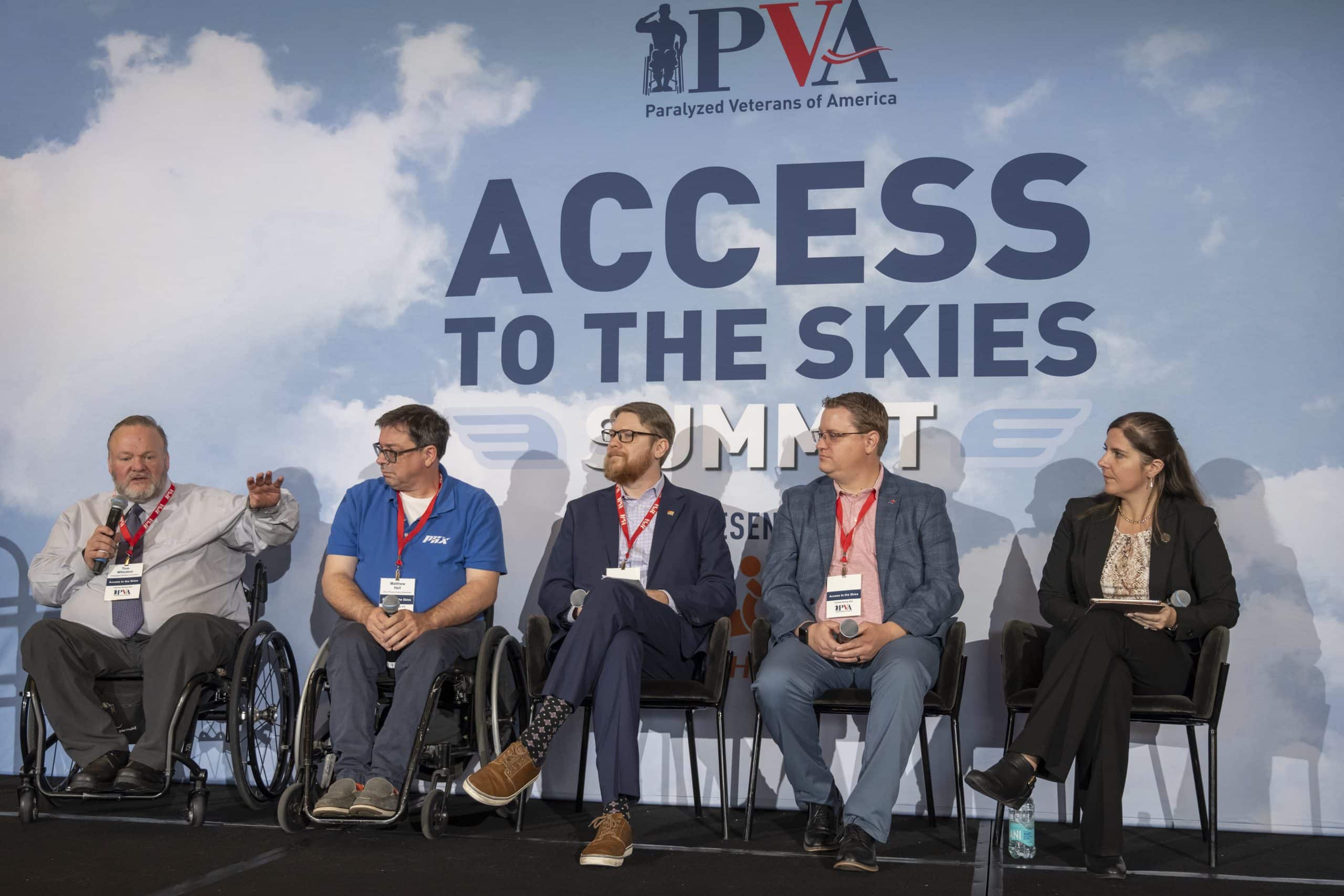
On October 1, PVA hosted its Access to the Skies Summit in partnership with All Wheels Up, bringing aviation experts together to address accessibility barriers in air travel.
6. Research that helps everyone
PVA funds groundbreaking research and education with leading universities, including Yale, Harvard, and Stanford, in the search for a cure for paralysis and improved care for people living with spinal cord injuries and diseases, like MA and ALS. That work isn’t limited to veterans. Medical advances made through research can improve care for anyone affected by paralysis.
Whether you’re a veteran, a caregiver, or someone who believes in the cause, there’s a place for you in PVA’s mission. To get help, find your local office, or support this work, visit PVA.org.